
Last updated September 25, 2026
Free written scope consultation - allowances, timeline, and change-order rules on paper before a single trade is scheduled





 Before
 After
After Before
 After
After Before
 After
AfterDIY vs Professional Construction: The Redwood City Homeowner’s Decision Guide
Most Redwood City homeowners assume the DIY-or-hire decision comes down to whether they can swing a hammer or read a tile saw manual. It doesn’t. In California, the decisive factor is legal exposure: unpermitted work follows the property, not the person who did it, and state resale disclosure laws make that exposure expensive. We’ve reviewed hundreds of project files since 2007, and the costliest mistakes weren’t botched grout lines. They were permits never pulled, owner-builder affidavits never filed, and homeowner policies voided the moment a water line let go behind a bathroom wall. This guide draws the line using California law, San Mateo County permit thresholds, and real project costs - not a skill quiz.
Quick Answer
DIY construction in Redwood City is legally and financially safe only for cosmetic work that doesn’t alter structure, electrical, plumbing, or mechanical systems. For everything else - including most projects that start small and expand - California law requires permits regardless of who performs the work, and unpermitted improvements must be disclosed at resale with the buyer retaining the right to demand remediation or price reduction. Our guide to hiring a construction contractor in Redwood City explains how to verify these protections are in place before signing. The cost of professional installation typically includes permit management, licensed subcontractor coordination, and warranty protection that DIY cannot replicate.
Table of Contents
- California’s Owner-Builder Permit Exemption: What It Actually Allows
- The Resale Disclosure Trap: San Mateo County Requirements
- What Is Actually DIY-Safe in Redwood City
- Cost Comparison Done Correctly: Material + Time + Risk
- Insurance Voiding Risk: The Policy Language That Matters
- When Small Projects Cross Into Permit Territory
- What Professional Installation Actually Includes
- Common Mistakes to Avoid
- When to Call a Professional
- Frequently Asked Questions
 Before
 After
AfterCalifornia’s Owner-Builder Permit Exemption: What It Actually Allows
California Business and Professions Code Section 7044 allows homeowners to act as their own contractor and pull permits under an owner-builder exemption. This sounds straightforward. It isn’t. The exemption carries specific obligations that most online guides omit entirely.
Here’s what the owner-builder exemption actually permits:
- Permit pulling: The homeowner can apply for and obtain building permits in their own name, avoiding the general contractor markup on permit fees.
- Direct hiring: The homeowner can hire and pay subcontractors directly, though each trade performing work valued over $500 must still hold a valid California contractor’s license.
- Personal performance: The homeowner can perform the work themselves, but only on the single-family residence they occupy as their principal residence.
The restrictions are where homeowners get caught. Under the exemption, the owner must occupy the property for 12 months after completion before selling without disclosure of the owner-builder status. Sell sooner, and the transfer disclosure statement must flag the owner-builder work - a red flag for buyers and their lenders in Redwood City’s competitive market where median home prices sit above $2 million.
More critically, several trades require licensed subcontractor sign-off regardless of who performs the physical work. Electrical panel upgrades, gas line modifications, and HVAC refrigerant handling all require licensed technicians to pull permits and sign final inspections. The homeowner cannot self-certify these. In San Mateo County, inspectors will red-tag projects where unlicensed electrical or plumbing work is discovered, requiring full removal and reinstallation at the owner’s expense.
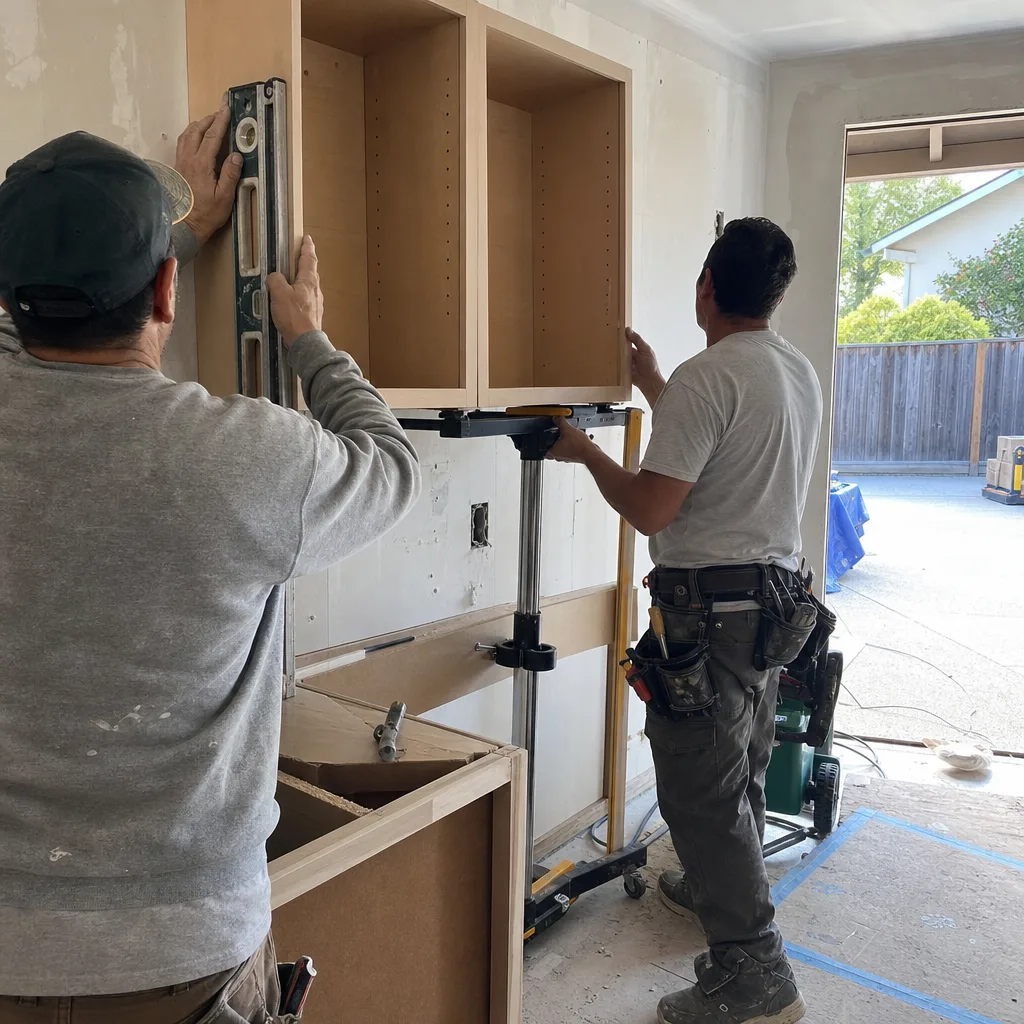
We’ve reviewed owner-builder files where the homeowner saved $8,000 on a kitchen remodeling in Redwood City by self-performing demolition and cabinet installation, then spent $11,000 correcting electrical and plumbing inspections that failed because the subcontractors weren’t properly licensed or the permits didn’t match the actual scope. The savings evaporated, and the 12-month occupancy restriction delayed a planned job relocation.
The Haven Standard’s Clause 1 exists precisely because of this gap: a written price before any work starts, with permits identified and subcontractor licenses verified, prevents the cost cascade that owner-builder exemptions invite.
The Resale Disclosure Trap: San Mateo County Requirements
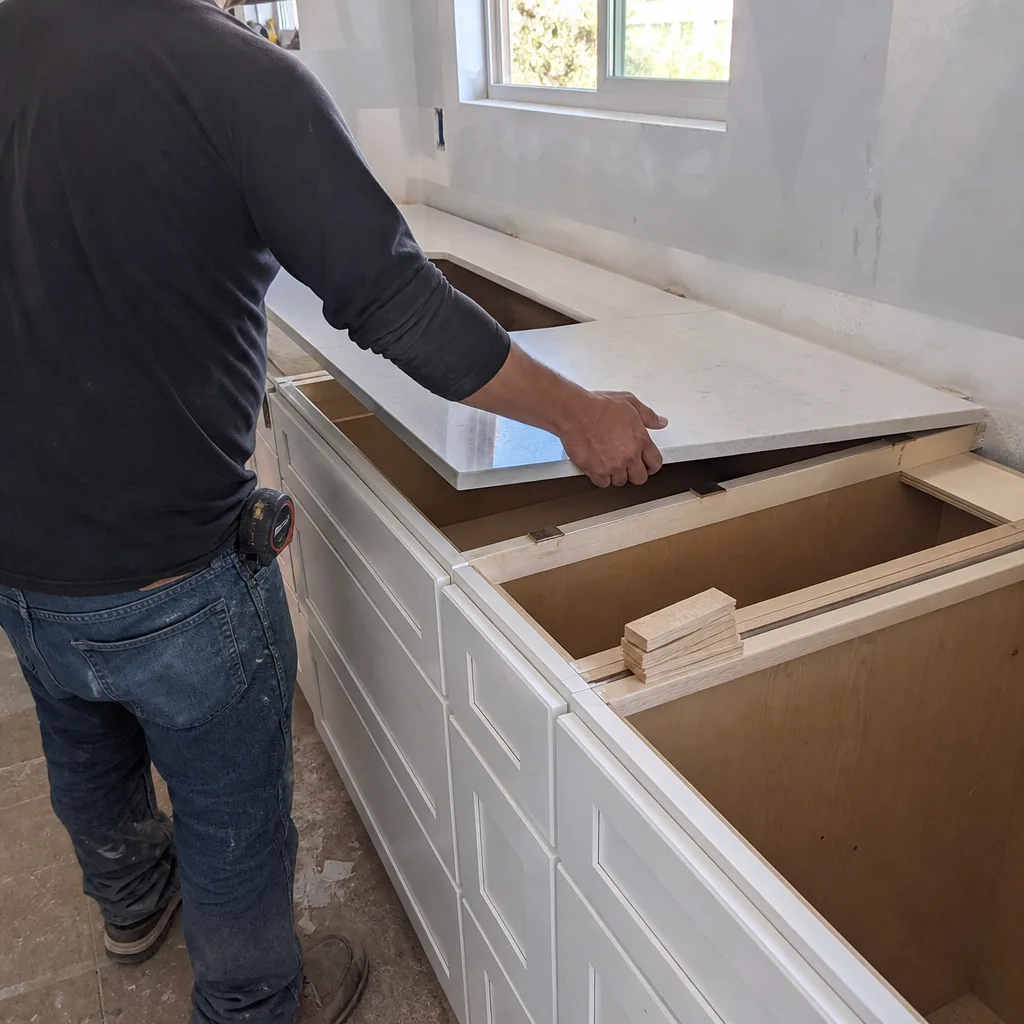
California Civil Code Section 1102 requires sellers to disclose any material facts affecting desirability or value, including alterations made without required permits. This obligation exists whether the work was DIY or contractor-performed. The disclosure form specifically asks about “room additions, structural modifications, or other alterations” - language broad enough to capture most construction work beyond paint and flooring.
San Mateo County, which includes Redwood City, adds a local layer. The county’s transfer disclosure requirements align with state law but are enforced through title company due diligence that has tightened significantly since 2020. Title insurers in Redwood City now routinely request permit history reports from city building departments, cross-referencing square footage and fixture counts against original records.
What this means practically: a bathroom expansion in the Mount Carmel neighborhood that added square footage without permits will surface during escrow. The buyer, advised by their agent and inspection attorney, can demand one of three remedies:
- Retroactive permitting: The seller must open permits, submit as-built plans, and pass inspection - often requiring drywall removal to expose framing and plumbing. Cost in Redwood City: $15,000-$40,000 depending on concealment.
- Price reduction: The buyer accepts the unpermitted work at a discount reflecting remediation risk. Typical reductions run 1.5-3x the estimated retroactive permit cost.
- Contract cancellation: The buyer walks, and the seller must re-list with disclosure of the unpermitted work, often at a reduced price with extended market time.
The disclosure obligation attaches to the property, not the person. Buy a Redwood City home with unpermitted work from a prior owner, and you inherit the disclosure duty at your next sale. We’ve consulted with homeowners in the Farm Hills area who discovered decade-old unpermitted additions only when preparing to sell, forcing last-minute negotiations that cost them leverage and price.
Professional contractors who operate under The Haven Standard address this at the source: permits pulled before work starts, inspections passed and documented, and the permit history clean for future transfer. Our documented photo record on every visit becomes part of the property’s maintenance file, evidence that work was performed to code and inspected.
What Is Actually DIY-Safe in Redwood City
Not all home improvement requires permits or professional licensing. Redwood City homeowners can safely self-perform work in specific categories without triggering California’s permit or disclosure obligations. The key is understanding where the line sits before starting.
Genuinely DIY-safe projects (no permit required):
- Interior painting and wallpaper: No structural, electrical, or mechanical alteration. Surface preparation including minor drywall repair with joint compound is permissible.
- Flooring over existing substrate: Luxury vinyl plank, engineered hardwood, or laminate installed as a floating floor over existing subfloor. Note: tile installation requires permit if underlayment is replaced or if the subfloor is modified for leveling.
- Cabinet hardware replacement: Knobs, pulls, and hinges in existing locations. No modification to cabinet boxes or adjacent electrical/plumbing.
- Fixture replacement at same rough-in: A new faucet where supply lines and drain location are unchanged. A new light fixture where the junction box and circuit are unchanged. The moment you relocate a drain or add a circuit, you’ve crossed into permit territory.
- Landscape cosmetic work: Planting, mulch, and non-structural hardscape under 30 inches in height. Belgard and Techo-Bloc pavers laid on compacted base without mortar or retaining function typically qualify.
Projects that appear DIY-safe but frequently cross the line:
A Redwood City homeowner in the Redwood Shores area recently removed a bathroom vanity to install a larger unit, discovering rotted subfloor beneath. The repair required cutting back to structural framing, replacing the subfloor, and extending the plumbing rough-in - all permit-triggering work that wasn’t visible when the project started. The homeowner completed the work without permits, then faced $23,000 in retroactive permitting and repair when selling two years later.
Climate factors in Redwood City also affect DIY viability. The marine climate with moderate rainfall and occasional freeze-thaw cycles means exterior work - deck sealing, exterior paint, caulking - requires specific product selection and application timing that professionals account for in scheduling. We’ve seen DIY deck staining in December fail within 18 months because the substrate moisture content exceeded manufacturer specifications, requiring full sanding and reapplication. Proper seasonal construction care for Redwood City would have flagged December as the wrong window for this work.
Cost Comparison Done Correctly: Material + Time + Risk
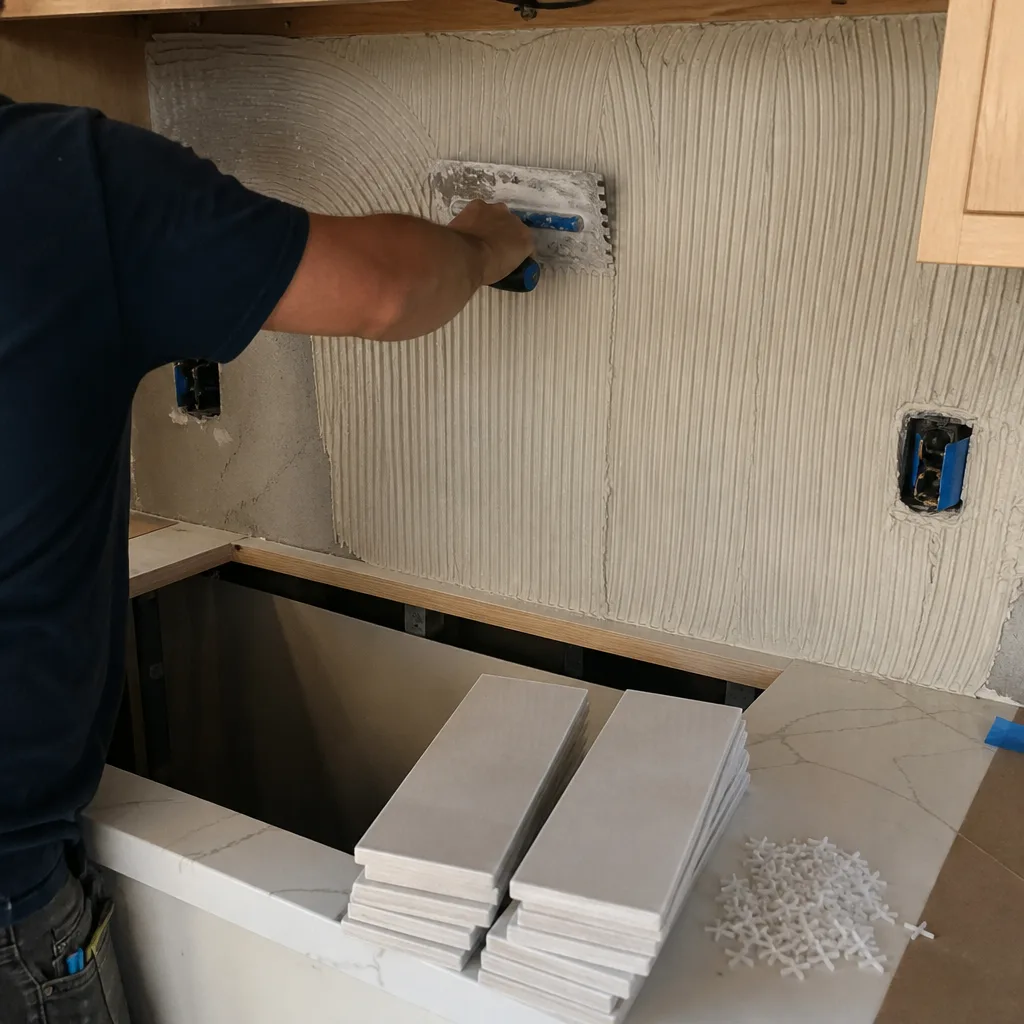
The standard DIY cost comparison - materials at Home Depot versus contractor quote - is incomplete. It omits time valuation, tool acquisition, permit costs, and risk-adjusted contingency. Here’s how to calculate accurately for Redwood City’s market.
Tile backsplash, 30 square feet: DIY-viable
| Cost Component | DIY | Professional (Rowan Construction Group Redwood City) |
|---|---|---|
| Materials (tile, mortar, grout, sealant) | $280-$420 | $280-$420 (passed through at cost) |
| Tools (wet saw, trowels, level, mixer) | $180-$340 (purchase or rental) | Included |
| Labor hours | 12-16 hours | 6-8 hours (crew of two) |
| Time value at $75/hour (typical Redwood City professional rate) | $900-$1,200 | N/A (fixed price) |
| Permit | Not required for cosmetic backsplash | Not required |
| Risk contingency (10% typical for DIY learning curve) | $46-$76 | Covered by 365-Day Done Right Promise |
| Total comparable cost | $1,406-$2,036 | $1,400-$1,800 (installed, warranted) |
For this project, DIY saves little or nothing when time is valued honestly, and carries the risk of lippage, inadequate waterproofing at outlets, or grout failure that requires rework. The professional price includes a written warranty and the documented photo record.
Electrical panel upgrade, 200A service: Licensed electrician required
| Cost Component | DIY (theoretical - not legally permissible) | Professional |
|---|---|---|
| Panel and breakers | $400-$650 | $400-$650 |
| Permit and inspection | $350-$500 (if self-pulled, but PG&E coordination requires licensed electrician) | $350-$500 |
| Labor | Not applicable - homeowner cannot legally perform | $1,800-$2,800 |
| PG&E coordination and meter release | Unavailable to unlicensed individuals | Required, included |
| Insurance liability if fire occurs | Policy voided - unlimited exposure | Licensed, bonded, insured coverage |
The panel upgrade illustrates a category where DIY is not merely inadvisable but legally blocked. California requires licensed electrician sign-off, and PG&E will not release meters to unlicensed individuals. The “savings” are fictitious because the work cannot be completed without professional involvement.
For roofing in Redwood City, the cost gap is wider but the risk asymmetry is extreme. A DIY roof replacement on a 2,000 square foot home might save $4,000-$6,000 on labor, but requires specialized equipment (dump trailer, pneumatic nailer, safety harness system), carries fall-risk injury exposure, and voids manufacturer warranties if not installed by a certified contractor. GAF and Owens Corning both require factory-certified installation for their full warranty terms. The savings evaporate with a single leak or a single hospital bill.
Insurance Voiding Risk: The Policy Language That Matters
Standard California homeowner policies contain exclusion language that becomes relevant exactly when DIY construction causes damage. Most Redwood City homeowners have never read these clauses. They should.
Typical policy language reads: “We do not cover loss caused by … faulty, inadequate, or defective … design, specifications, workmanship, repair, construction, renovation, remodeling, or maintenance.” The exclusion applies regardless of whether the work was performed by the homeowner or an unlicensed contractor. The critical trigger is whether the work was performed to professional standards and with required permits.
More specific is the “unlicensed contractor” exclusion found in many policies: “Coverage does not apply for bodily injury or property damage arising out of work performed by a contractor who is not licensed as required by state or local law.” This catches homeowners who hire handypersons for projects over $500 without verifying CSLB license status, and it catches DIY work in trades requiring licensing.
Real scenario from our files: A Redwood City homeowner in the Edgewood Park area self-installed a bathroom exhaust fan, routing it through an uninsulated attic space. Condensation accumulated over two winters, saturating insulation and ceiling drywall. The water damage claim was denied because the installation lacked a permit and the routing violated code requirements for moisture protection. Out-of-pocket cost: $14,000 for mold remediation, drywall replacement, and proper vent installation to exterior.
Professional contractors carry general liability and workers compensation insurance that covers the project period and often extends to completed operations. Rowan Construction Group’s coverage includes completed operations liability for three years post-project, and our 365-Day Done Right Promise extends beyond that for workmanship defects. DIY offers no parallel protection.
The documented photo record we provide serves dual purpose: it demonstrates code-compliant installation to insurers if questions arise, and it provides dated evidence of pre-existing conditions for future claims. Homeowners who self-perform rarely maintain comparable documentation.
When Small Projects Cross Into Permit Territory
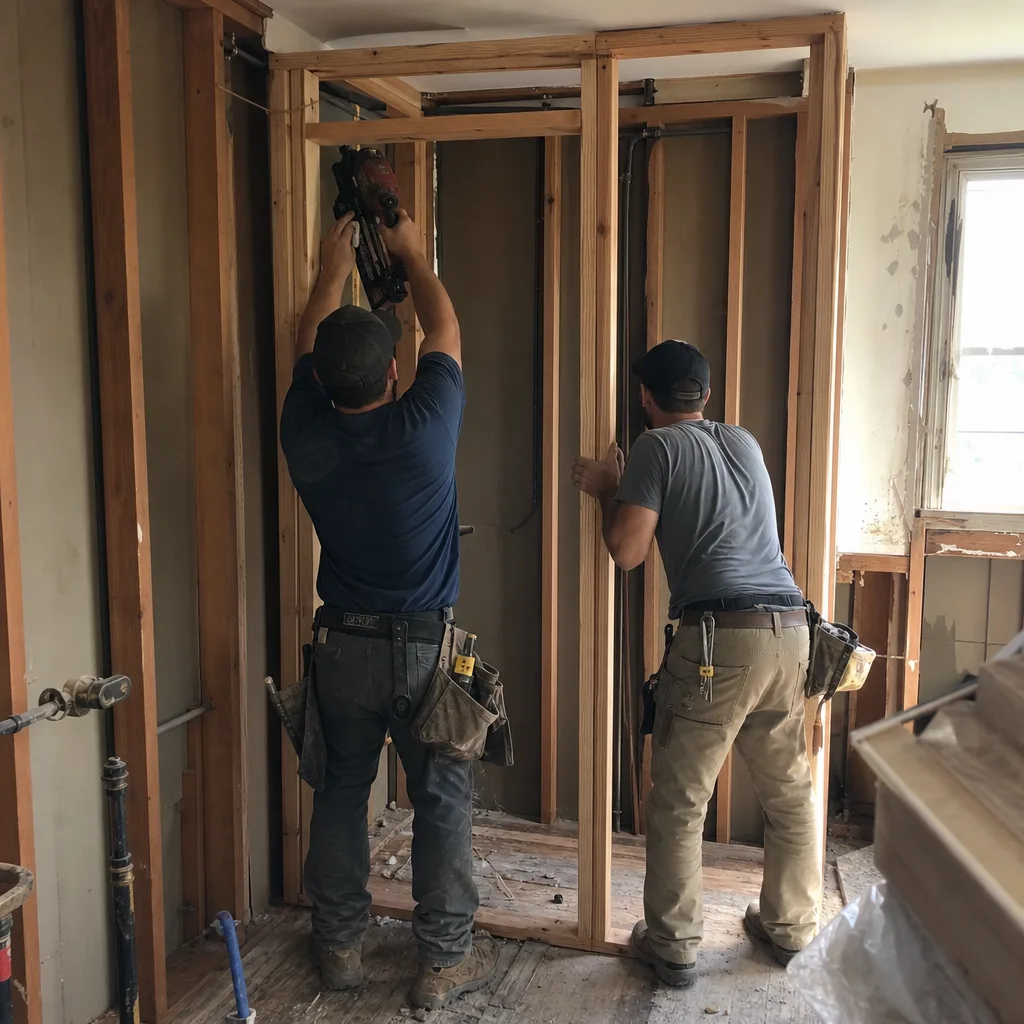
The most expensive DIY mistakes in Redwood City begin as projects that appear to stay within cosmetic bounds, then expand as conditions are discovered or ambition grows. Understanding the specific triggers prevents this drift.
Projects that start permit-exempt but commonly cross the line:
- Bathroom refresh to full remodel: Replacing a toilet and vanity stays exempt if rough-ins are unchanged. But the vanity removal reveals water damage, the homeowner decides to relocate the shower for better layout, and suddenly the project requires plumbing, electrical, and building permits with waterproofing inspection.
- Kitchen cabinet replacement: Swapping cabinet boxes in the same layout is exempt. But new cabinets often mean new countertops, which means evaluating whether the existing substrate can support Cambria or Caesarstone quartz (typically 2-3x the weight of laminate). Substrate replacement triggers permit. So does any electrical modification for under-cabinet lighting or appliance circuits.
- Deck resurfacing: Replacing deck boards on existing framing is exempt if the framing is sound. But Redwood City’s marine climate degrades ledger board flashing and joist hangers faster than surface boards. If inspection reveals structural compromise, repair requires building permit and engineered connection details.
- Window replacement: Insert windows in existing frames are often exempt. Full-frame replacement, any modification to rough opening dimensions, or changes to egress requirements (bedroom windows must meet specific opening dimensions for emergency escape) trigger permit and inspection.
- ADU or in-law suite conversion: Garage conversions to living space are never exempt. They trigger full building, electrical, plumbing, and mechanical permits, plus fire separation requirements and utility service upgrades. The owner-builder exemption technically applies, but the complexity of coordinating licensed subcontractors for mandatory trades makes self-management impractical for most homeowners.
Redwood City’s building department, located at 1017 Middlefield Road, offers pre-application consultations for $150 that clarify permit requirements before work starts. We recommend these for any project where the scope isn’t clearly defined. The consultation fee is less than the cost of a single red-tag correction.
For bathroom remodeling in Redwood City, we’ve developed a scope checklist that separates permit-exempt cosmetic work from permit-triggering modifications. Homeowners can perform the former safely; we handle the latter with permits identified in the written price before work starts.
What Professional Installation Actually Includes
The price difference between DIY and professional installation reflects services that aren’t visible in the finished product but determine its durability, legality, and transferability. Here’s what the professional price encompasses.
Pre-construction documentation:
- Written scope of work with line-item pricing
- Permit identification and fee estimation
- Subcontractor license verification (CSLB license check, bond status, workers compensation coverage)
- Material specification with brand names and model numbers - KraftMaid or Wellborn cabinets, not “white shaker cabinets”
- Schedule with milestone dates and completion target
Construction-phase management:
- Daily photo documentation of conditions found and work performed
- Inspection scheduling and correction of deficiencies
- Change order protocol: no work proceeds on a change until the change order is signed, per The Haven Standard’s founding discipline
- Waste disposal and site protection
Post-completion deliverables:
- Final inspection sign-off and certificate of occupancy where required
- Written warranty with terms page reference, not verbal assurance
- Photo record archive for future maintenance or sale documentation
- Permit closure confirmation from city building department
The flat price we deliver before work starts includes all of these. There is no “call for a quote” - the number is written, with the scope that generates it. Our projects finish within a few percent of that number because the change order discipline prevents scope creep without explicit customer authorization.
For homeowners comparing quotes, we offer a Free Second Opinion on any written estimate. Bring a competitor’s line-item quote and we’ll review it for permit inclusion, material specification adequacy, and subcontractor license verification - at no charge. We’ve identified $8,000-$20,000 in omitted permit costs or unspecified materials in competitor quotes for Redwood City projects.
Common Mistakes to Avoid
- Assuming handypersons avoid permit requirements: California requires a contractor’s license for any work valued over $500 in labor and materials. The “handyman exemption” applies only to minor repairs under that threshold. Hiring unlicensed contractors for larger projects voids your insurance and exposes you to CSLB enforcement.
- Pulling an owner-builder permit without understanding the 12-month occupancy restriction: We’ve seen Redwood City homeowners in job transitions forced to sell within months of project completion, triggering mandatory disclosure and buyer negotiation that erased their DIY savings.
- Starting demolition before defining full scope: The “while we’re in there” expansion is where budgets collapse. Our written scope protocol exists because we’ve repaired too many projects where demolition revealed conditions that changed everything.
- Using online permit exemption lists without verifying local amendments: San Mateo County and Redwood City have specific amendments to state building code. What exempt in Sacramento may not exempt here. Always verify with the local building department.
- Neglecting to verify subcontractor licenses on owner-builder projects: The owner-builder exemption doesn’t eliminate the licensing requirement for individual trades. Electrical, plumbing, and HVAC work still require CSLB-licensed technicians, and the homeowner is responsible for verification.
- Assuming homeowner insurance covers DIY construction errors: Policy exclusions for faulty workmanship and unlicensed contractor work are standard. Read your declarations page’s “Exclusions” section before starting any project.
- Failing to document pre-existing conditions: Without dated photos of the space before work begins, disputes about whether damage was pre-existing or caused by construction are unresolvable. Our documented photo record starts with the initial site visit.
When to Call a Professional
Call a professional when the project involves structural modification, electrical, plumbing, or mechanical work; when permits are required; when manufacturer warranties require certified installation; or when the cost of error exceeds your comfortable risk tolerance. In Redwood City’s market, where median home values exceed $2 million and transfer disclosure requirements are rigorously enforced, the cost of unpermitted or improperly permitted work typically exceeds any plausible DIY savings. Explore our more guides & resources for additional homeowner protection strategies.
Rowan Construction Group Redwood City offers free estimates in Redwood City - call (650) 560-7228. Every estimate includes a written price, identified permits, and material specifications before any work starts. We also provide a Free Second Opinion on any competitor’s written quote, reviewed line by line at no charge.
Frequently Asked Questions
A permitted kitchen remodel in Redwood City typically ranges $45,000-$85,000 for a mid-range project including semi-custom KraftMaid or Wellborn cabinets, quartz countertops, and appliance relocation, versus $25,000-$40,000 in materials alone for DIY. The professional price includes permits ($1,200-$2,800), licensed electrical and plumbing subcontractor coordination, and the 365-Day Done Right Promise. After completion, follow our kitchen remodeling maintenance checklist for Redwood City homeowners to protect your investment. DIY savings evaporate if permit requirements are triggered mid-project or if resale disclosure obligations require retroactive permitting. Call (650) 560-7228 for a written estimate - estimates are free.
Yes, under California’s owner-builder exemption, but you’ll still need licensed subcontractors for electrical, plumbing, and mechanical work, and you’ll carry the 12-month occupancy restriction before resale without disclosure. The Redwood City building department requires owner-builder affidavits and proof of homeowner’s insurance. Most homeowners find the coordination burden exceeds the general contractor markup, particularly for projects requiring multiple trade inspections. Call (650) 560-7228 for a Free Second Opinion on any quote you’ve received.
Almost certainly. Title insurers in San Mateo County now routinely request permit history reports that compare recorded square footage and fixture counts against original building records. Unpermitted additions, bathroom expansions, or structural modifications surface in this cross-check. The buyer can demand retroactive permitting, price reduction, or contract cancellation. Professional installation with permits pulled before work starts prevents this exposure entirely.
Standard policies exclude damage from “faulty, inadequate, or defective … workmanship, repair, construction” - language that applies to DIY work. If the plumbing work lacked required permits or was performed by an unlicensed individual, the exclusion is nearly certain to apply. We’ve consulted with Redwood City homeowners who faced $15,000-$30,000 in uncovered damage from seemingly minor leaks behind walls. Professional contractors carry general liability insurance that covers these scenarios, and licensed plumber sign-off provides documentation that supports insurance claims.
Structural, electrical, plumbing, or mechanical work of any scope requires a permit, regardless of dollar value. This includes moving a single outlet, extending a drain line, or modifying a load-bearing wall for a wider doorway. Purely cosmetic work - painting, flooring over existing substrate, cabinet hardware - typically does not. When in doubt, Redwood City’s building department offers pre-application consultations for $150 that clarify requirements before work starts.
Check the Contractors State License Board (CSLB) website at cslb.ca.gov using the contractor’s license number. Verify active status, bond compliance, and workers compensation coverage. Rowan Construction Group’s license number appears on every page, and every crew member is verified before arriving on site. For any contractor you’re considering, also request certificate of insurance documentation and call the insurer to confirm coverage is active. Never hire based on verbal license claims alone.
You should receive a written price with line-item scope, identified permits and fees, material specifications with brand names and model numbers, a written warranty with terms reference, and a documented photo record of work performed. Under The Haven Standard, Rowan Construction Group provides all of these as standard, not upgrades. If a contractor offers only a verbal quote or a single-page estimate without material specs, that documentation gap will become your liability at warranty claim or resale.
The Bottom Line
The DIY-or-professional decision in Redwood City is a legal and financial calculation, not a test of handiness. California’s permit requirements, owner-builder occupancy restrictions, and resale disclosure obligations create exposure that DIY savings rarely offset. Cosmetic work - paint, flooring, hardware - remains genuinely DIY-safe. Anything involving structure, electrical, plumbing, or mechanical systems requires permits regardless of who performs it, and the cost of unpermitted work surfaces at the worst possible moment: when you’re selling and have no leverage to negotiate.
Professional installation at a documented price, with permits managed and inspections passed, protects value beyond the project itself. It preserves marketability, insurability, and the documented record that buyers and their lenders now demand. For homeowners who want certainty before committing, Rowan Construction Group Redwood City provides written estimates with no obligation, and a Free Second Opinion on any competitor’s quote.
Written by Grant Rowan, Owner at Rowan Construction Group Redwood City, serving Redwood City since 2007.