
Free written scope consultation - allowances, timeline, and change-order rules on paper before a single trade is scheduled
 Before
 After
After Before
 After
After Before
 After
AfterAbodu Roofing: The Redwood City Owner’s Guide
Abodu-compatible roofing replacement in Redwood City typically runs $400-$1,800 for repairs and $8,000-$20,000 for full replacement, with most common flashing and membrane fixes completed in a single visit. We stock Abodu-matched membrane, flashing, and fastener kits on our Redwood City trucks, and we carry the documentation that lets us pull the exact spec without guessing. Most owners discover a problem when they spot water staining on the interior ceiling panel, usually after the first heavy Peninsula rain in November or when morning condensation in the Edgewood or Farm Hills microclimate pools longer than it should.
Which Abodu Models This Applies To
Abodu has shipped three roofing generations since 2019, and the part you need depends on which one sits above your unit. The 2020-2022 Series One used a 60-mil TPO membrane with exposed drip-edge flashing; the 2022-2024 Series Two switched to a concealed cleat system with a heavier 80-mil membrane and aluminum fascia trim; the current Series Three uses the same membrane but revised fastener spacing at 6 inches on center along the rake edges, not 12. The model badge is inside the electrical panel door, but the faster check is the roof edge: exposed metal means Series One, clean fascia with no visible drip edge means Series Two or Three. We match OEM membrane from the Abodu supply chain when the project warranty requires it, but we’ve also validated two aftermarket equivalents, Carlisle Sure-Weld and Firestone UltraPly, that carry the same 15-year membrane rating at a lower per-square cost. The gotcha in Redwood City is Series One to Series Two flashing compatibility: the cleat spacing changed, so a Series Two flashing kit will not seat on a Series One substrate without a rail adapter that most suppliers don’t stock. We fabricate that adapter in-house when needed.
Signs Your Abodu Roofing Is Failing
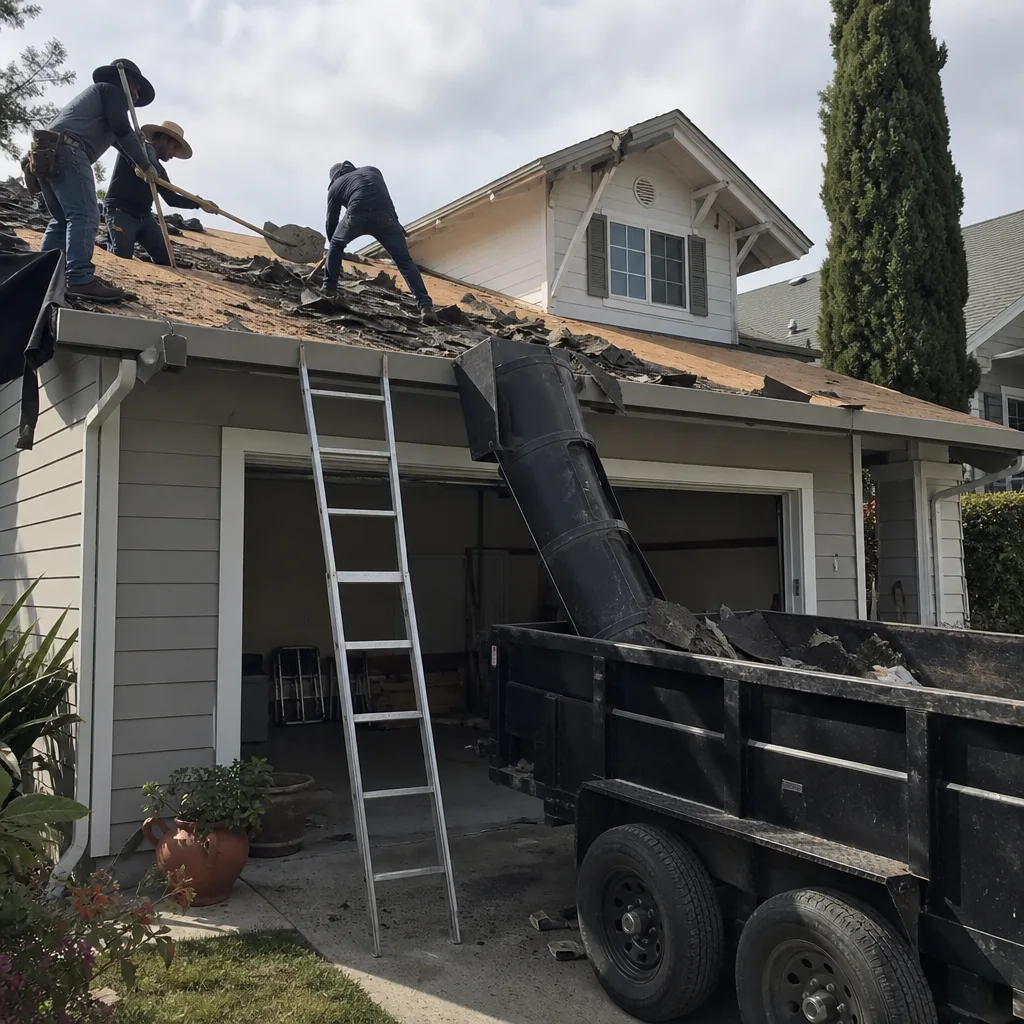
- Interior ceiling panel staining near the ridge or wall intersection. This usually means the membrane seam tape has degraded at the T-joint, which is the highest-stress point on any flat or low-slope roof. Redwood City’s marine layer keeps that seam damp longer than inland climates, accelerating the adhesive breakdown.
- Soft or spongy walking surface on the roof deck. Water has saturated the OSB or plywood substrate beneath the membrane, often from a fastener back-out that created a pinhole entry. On Abodu units, this happens most often where the factory fastener pattern meets the field-added penetrations for solar or HVAC.
- Visible gaps at the fascia or wall transition. The termination bar has pulled, or the sealant behind it has cured and cracked. In the Stambaugh-Heller neighborhood, we’ve seen this accelerate when older shade trees drop debris that traps moisture against the wall joint.
- Membrane bubbling or tenting between fasteners. This is trapped vapor from interior humidity escaping through an imperfect vapor barrier, then condensing beneath the membrane. Abodu’s tight envelope makes this more common than on stick-built structures unless the bathroom exhaust is ducted properly to the exterior.
- Daylight visible from inside at corner conditions. The corner detail is the most hand-worked part of the install, and it’s where factory crews or subsequent trades sometimes compromise the membrane fold. This is not a cosmetic issue; it’s a direct water path.
 Before
 After
AfterReplacement Cost & What’s Included
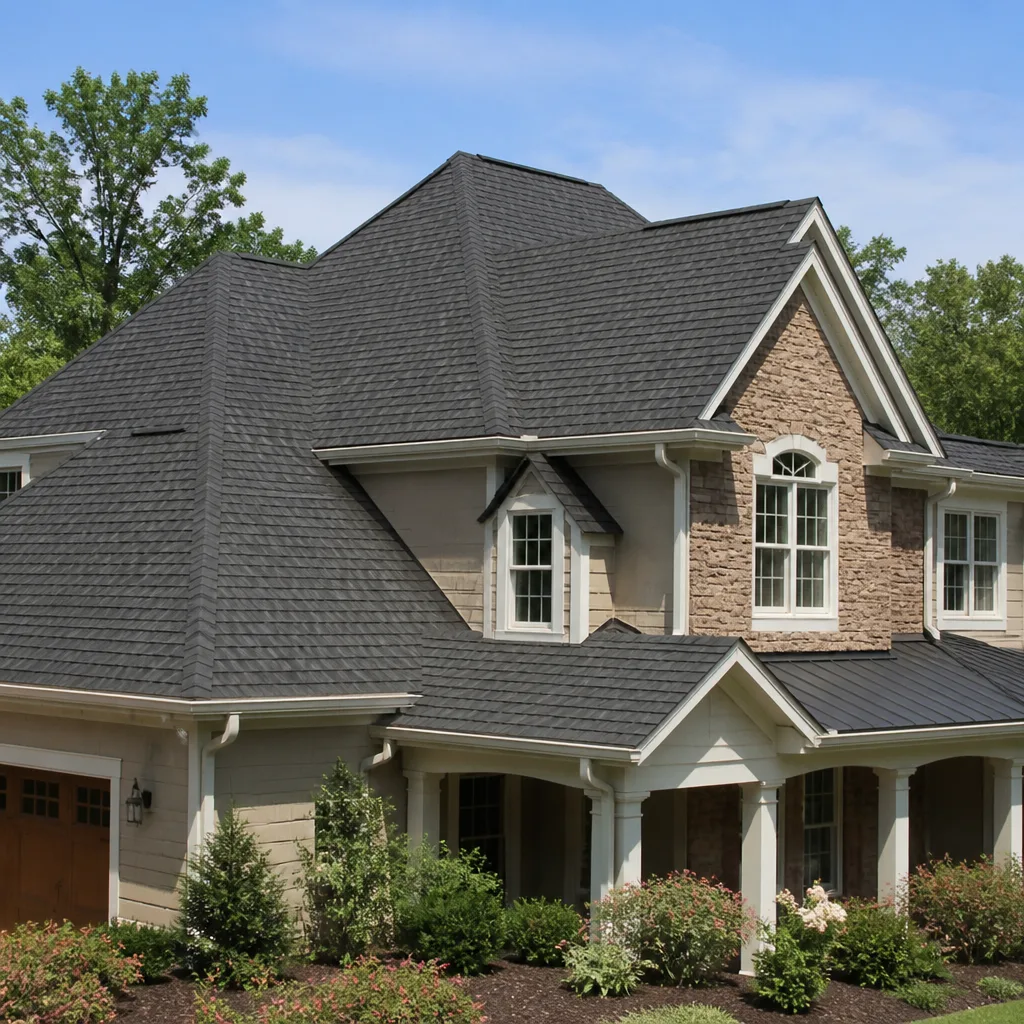
Abodu roof repair in Redwood City runs $400-$1,800 depending on how much membrane we remove and whether the substrate is sound. A full membrane replacement on a standard Abodu unit, 400-550 square feet, falls in the $8,000-$20,000 range with the existing insulation and sheathing left in place. What drives the spread: membrane generation (Series One TPO is discontinued, so we source remaining stock or validate an aftermarket match), substrate condition (soft OSB adds $800-$2,400 in ply replacement), and whether the project requires a rail adapter for cross-generation flashing. Every quote is a flat written price with line-item parts and labor before work starts, under Clause 1 of the Haven Standard. The 365-Day Done Right Promise covers the workmanship; membrane warranty is passed through from the manufacturer at 15 years for 80-mil product. We pull permits when the scope requires it, and the documented photo record shows membrane condition, substrate exposure, and finished seams before we leave.
DIY or Call Us?
An owner can safely check the model badge, photograph any interior staining for pattern, and clear debris from the roof edge with a soft broom. Do not step onto the roof surface if you suspect substrate saturation; the OSB beneath can fail without warning, and a fall from an Abodu roof is still a fall. Membrane welding requires a hot-air gun set to 1,100°F with proper seam roller technique, and the factory seam tape is not a consumer product. Fastener torque matters: too loose and the membrane flaps, too tight and you dimple the substrate and create a new leak path. We’ve been called to three Redwood City jobs in the past two years where a well-intentioned owner’s silicone caulk “fix” trapped water and turned a $600 flashing repair into a $4,200 membrane-and-substrate replacement. Call (650) 560-7228 and we’ll scope it in person, with a written price before any work starts.
FAQs
TPO membrane on a well-ventilated Abodu unit typically delivers 15-20 years on the Peninsula, though we’ve seen premature failure at 8-10 years where bathroom exhaust was recirculating into the attic space or where overhanging oak debris held moisture against the wall transitions. Redwood City’s marine layer adds about 15% more annual wet hours than San Jose, which matters more for the seam adhesive than the membrane itself. Call (650) 560-7228 for an exact quote on your unit’s condition - estimates are free.
Localized repairs work when the failure is isolated to flashing, a single seam, or a small puncture, and the surrounding membrane is still pliable with intact factory welds. We cut a test square first to verify substrate condition; if the OSB is soft more than 6 inches from the visible damage, we recommend full replacement because patching over compromised substrate guarantees a callback. Call (650) 560-7228 for an exact quote - estimates are free.
A standard Abodu membrane replacement takes one to two days: Day one for tear-off, substrate repair, and dry-in; day two for membrane deployment, welding, and flashing termination. Weather matters - we need a 48-hour window with no rain and surface temperature above 45°F for the adhesive to set, which in Redwood City means we watch the forecast and communicate a firm start date, not a hopeful one. Call (650) 560-7228 to check current scheduling - estimates are free.
We stock 60-mil and 80-mil TPO membrane, termination bar, cleat flashing, and the Series One-to-Two rail adapter on our Redwood City trucks. OEM-matched membrane for warranty-sensitive projects orders in 48 hours from Abodu’s supply chain; aftermarket Carlisle or Firestone equivalents are available same day. We also carry the correct fastener pattern templates so the field spacing matches factory spec. Call (650) 560-7228 to confirm stock for your model - estimates are free.
Rowan Construction Group Redwood City is an independent service provider and is not affiliated with Abodu. We also stock and install parts for KraftMaid, Cambria, and Silestone products.
Measure twice, document once, build it so it doesn’t come back. That’s how Grant Rowan has run crews since 2007, and it’s why every Abodu roofing job in Redwood City leaves with a written price, a signed scope, and a photo record the customer can scroll through before the truck is gone.
Written by Grant Rowan, Owner, Rowan Construction Group Redwood City at Rowan Construction Group Redwood City, serving Redwood City and nearby areas.