
Last updated September 25, 2026
Free written scope consultation - allowances, timeline, and change-order rules on paper before a single trade is scheduled
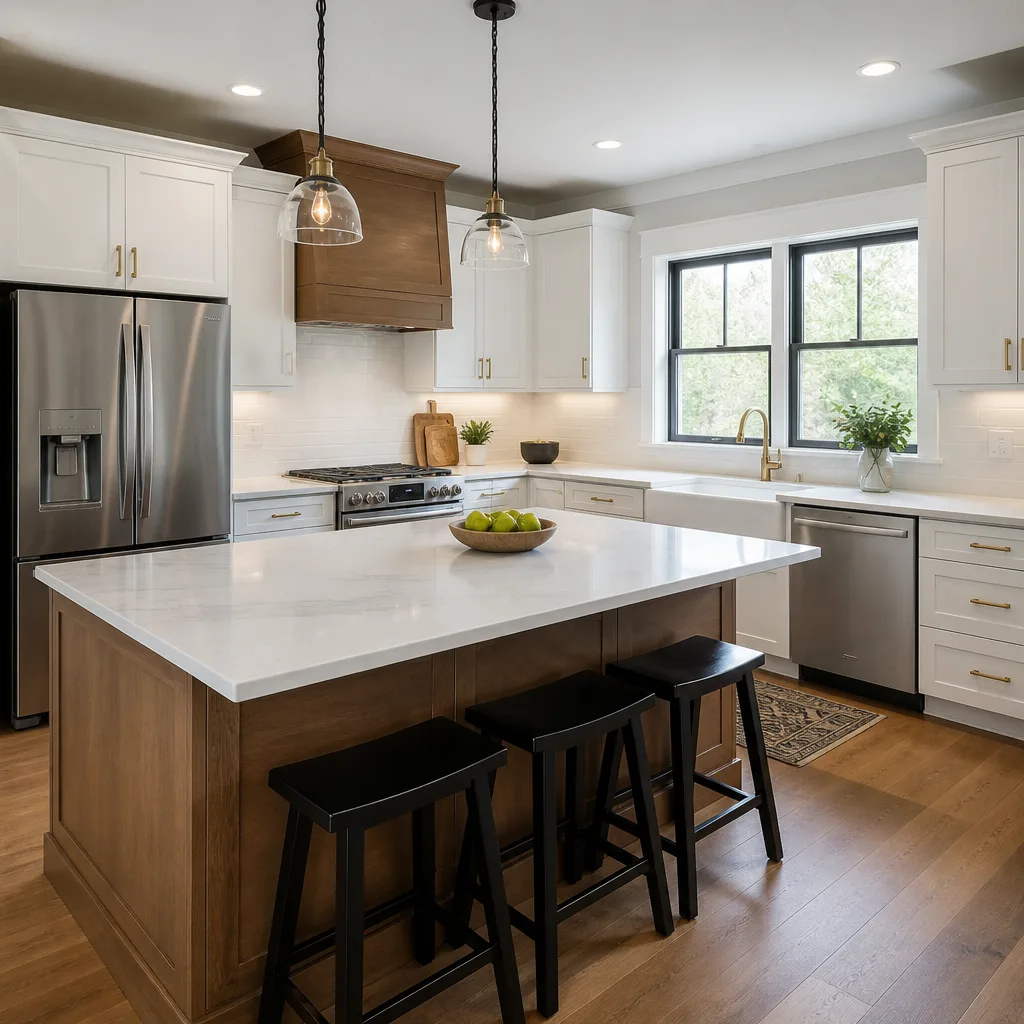





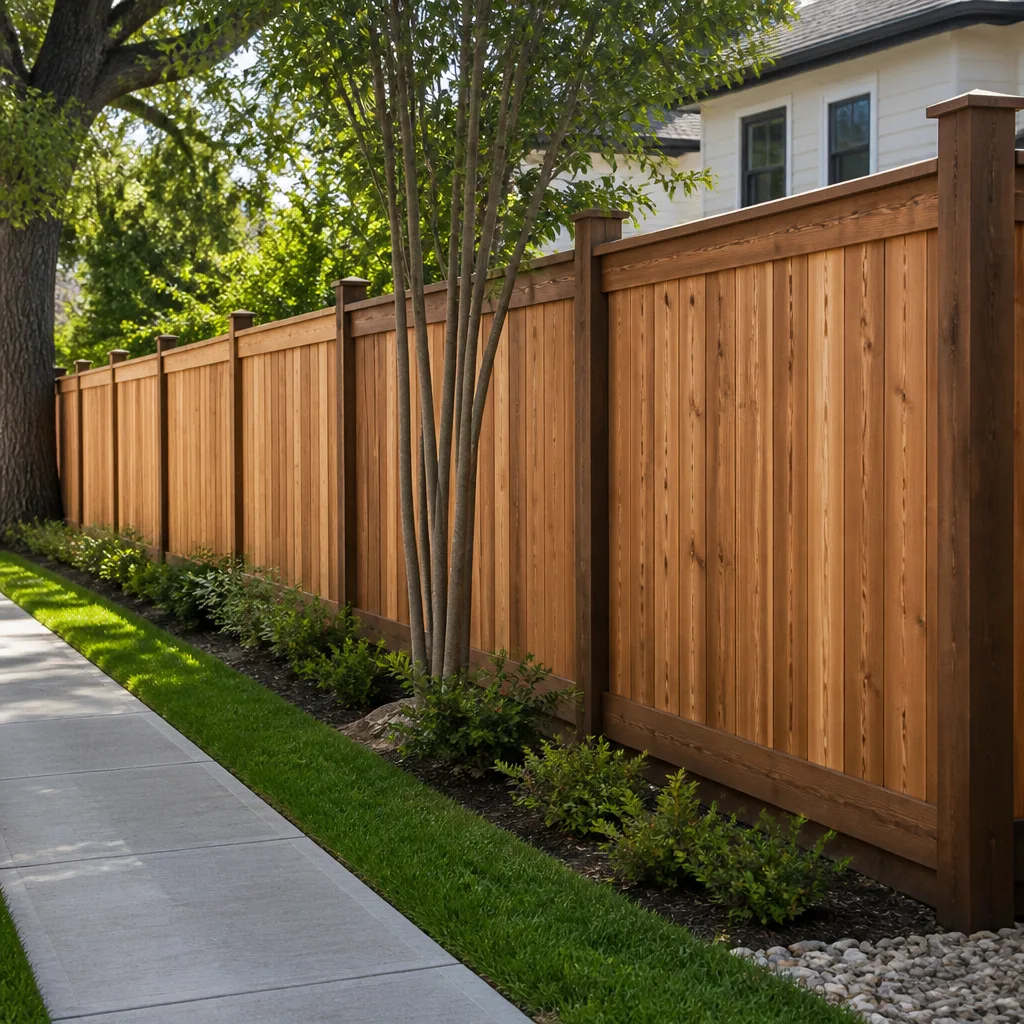
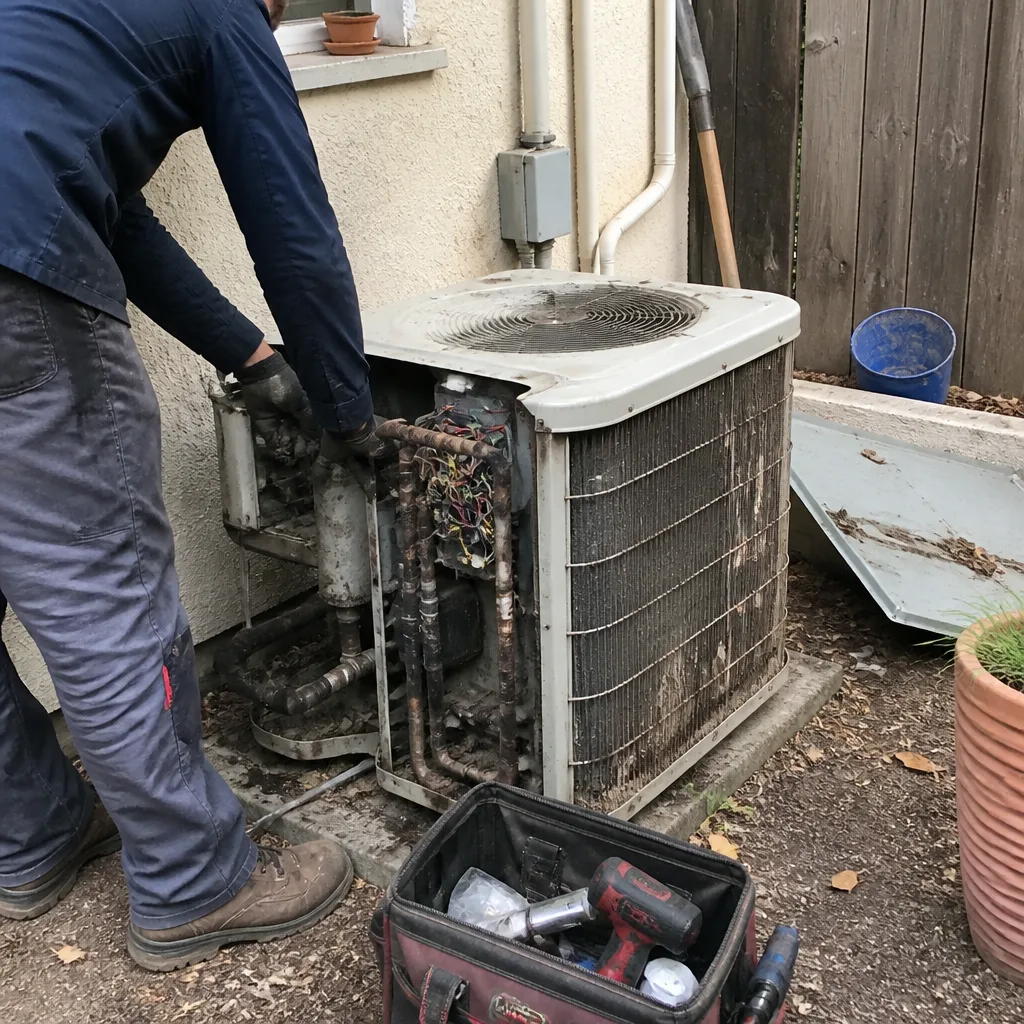 Before
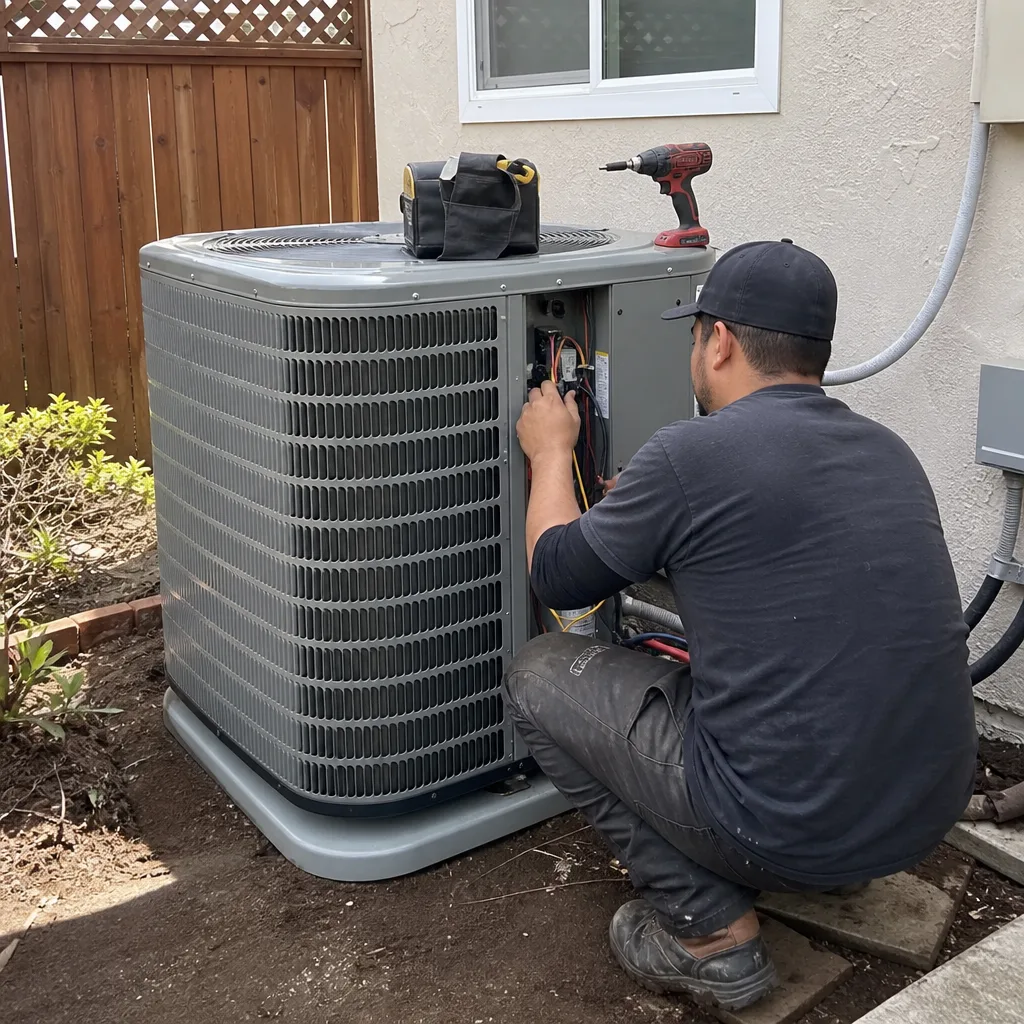 After
After Before
 After
After Before
 After
AfterConstruction Warning Signs: A Redwood City Homeowner’s Reference Guide
The most expensive construction warning sign isn’t water staining or cracked drywall. It’s a contractor who returns your deposit request with a verbal assurance instead of a written schedule. In Redwood City, where median home values have climbed past $1.8 million and a kitchen remodel routinely runs $75,000-$150,000, a process failure costs more than a physical defect - and by the time that defect appears, the paper trail is usually already broken. This guide - along with our DIY vs Professional Construction: The Redwood City Homeowner’s Decision Guide - separates physical warning signs from contract red flags, assigns dollar-range consequences to each, and gives you the specific language to raise concerns before damage compounds.
Quick Answer
Construction warning signs fall into two categories: visible physical defects and contract/process failures. Physical signs include missing shear wall blocking, unprotected plumbing lines in concrete, and wire nuts without accessible junction boxes. Process failures - verbal change orders, unlicensed subcontractors, and material substitutions without written approval - typically cost Redwood City homeowners 12-18% above the agreed price and can void warranties on installed systems. Document everything in writing from day one.
Table of Contents
- Process Red Flags That Cost More Than Physical Damage
- Framing Warning Signs: What’s Behind Your Drywall
- Electrical, Plumbing, and HVAC Defects During Construction
- Cosmetic Defect vs. Structural Deficiency: How to Tell
- The Escalation Sequence: Protecting Your Legal Standing
- The Final Walkthrough Punch List: Complete vs. Verbal
- Redwood City-Specific Risks: Climate, Code, and Soil
- Common Mistakes to Avoid
- When to Call a Professional
- Frequently Asked Questions
 Before
 After
AfterProcess Red Flags That Cost More Than Physical Damage
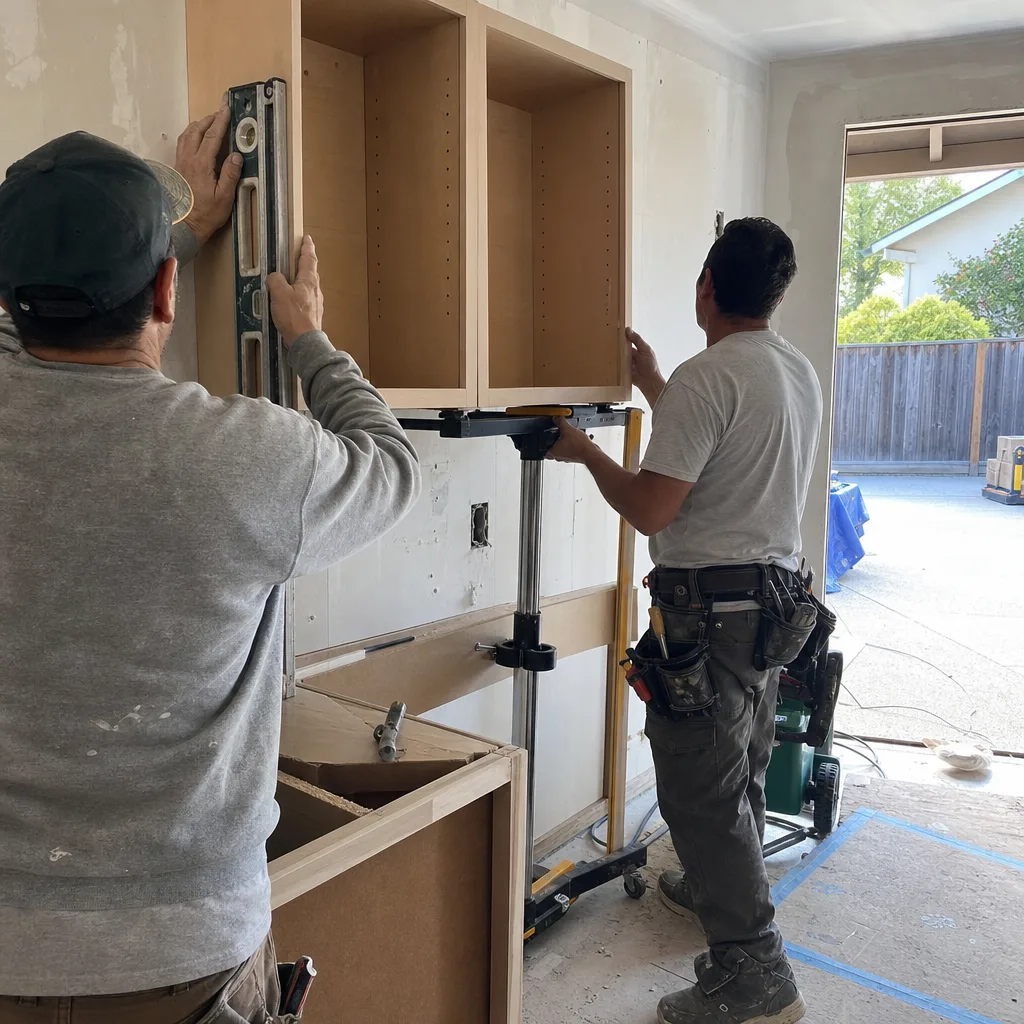
We’ve delivered over 4,000 projects since 2007, and the pattern is consistent: the jobs that finish 20% over budget rarely started with a visible defect. They started with a process failure that the homeowner didn’t recognize as dangerous.
Verbal change orders. Industry data shows these drive 12-18% cost overruns on average. A contractor says, “We need to upgrade that subfloor - it’ll be about three grand,” and the homeowner nods. Three months later, the final invoice includes six verbal changes, none of them documented. Under Clause 1 of the Haven Standard, Rowan Construction Group delivers a written price before any work starts; no change proceeds without a signed change order. This administrative discipline is why our projects finish within a few percent of the agreed number. If your contractor treats a change order like a conversation, the conversation is costing you money.
Unlicensed subcontractors on site. In California, if an unlicensed worker is injured on your property, you may face workers’ compensation liability directly. Verify every license at csbls.ca.gov - not through the contractor’s word. Redwood City sits in San Mateo County, where building inspections are thorough but they don’t verify subcontractor licensing. That’s your responsibility.
Material substitutions without written approval. A contractor swaps your specified Toto Drake II for a different model, or substitutes a generic membrane where a specified brand was quoted. The installed system may perform adequately, but you’ve lost the manufacturer’s warranty - and if the substitution fails, you’re holding a claim against a product the contractor chose, not the one you paid for. Our quotes name the brand and model; any substitution requires your initials on a revised line item.
Missing permit postings. California requires the permit card to be posted visibly on site. If it’s not there, work may proceed without inspection - and uninspected work voids your homeowner’s insurance coverage for that component. We’ve seen Redwood City homeowners discover this only after a fire or water loss, when the adjuster denies the claim.
Deposit requests without a written payment schedule. California limits upfront deposits to $1,000 or 10% of the contract price, whichever is less. A contractor who asks for 25% “to order materials” and delivers no written schedule with milestone-based releases is either undercapitalized or testing your documentation habits. Both predict trouble.
Framing Warning Signs: What’s Behind Your Drywood
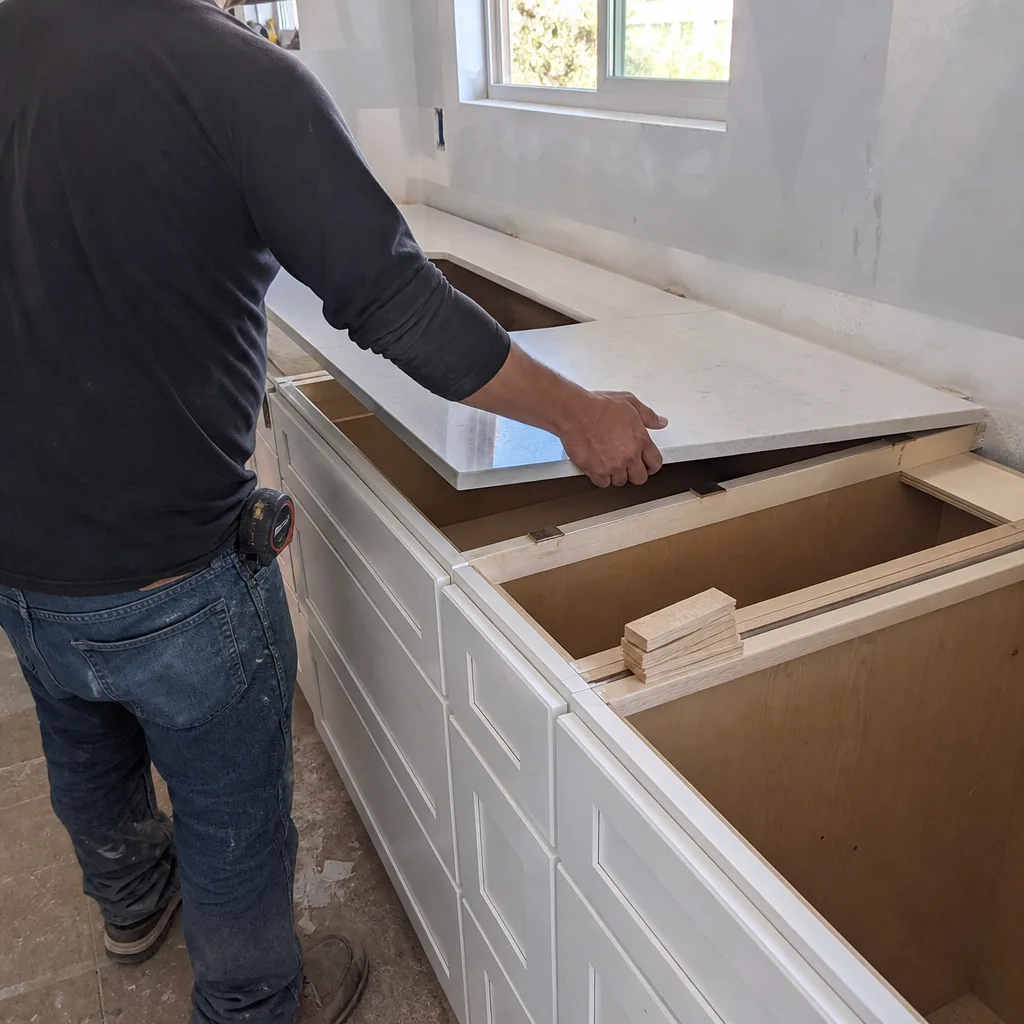
Framing defects hide until they don’t - until a door won’t close, a crack runs diagonally across a wall, or an inspector flags a shear wall deficiency at rough inspection. In Redwood City, the Bay Area’s seismic requirements make framing accuracy a safety issue, not merely a quality one.
Missing blocking at shear wall locations. Shear walls resist lateral forces during earthquakes. The blocking - short framing members that transfer load between studs - must be installed at specified intervals, typically 16 inches on center, with 3-inch by 0.131-inch nails in a prescribed pattern. Missing blocking reduces shear capacity by 30-50% and won’t be visible after drywall goes up. During rough framing inspection, ask to see the shear wall nailing schedule posted on site and compare it to what’s installed. The building inspector will do this; you should verify it too.
Notches and holes in load-bearing studs that exceed code limits. California Building Code limits notches to 25% of stud depth and holes to 40%, with specific location restrictions. A plumber or electrician who carves a 2-inch hole through a 2×4 load-bearing stud (actual depth 3.5 inches) has exceeded the 40% limit and compromised the stud’s capacity. We’ve found this in Redwood City homes where trades worked sequentially without structural review.
Bottom plates not anchored to slab with code-compliant fasteners. In seismic zones, sill plates must be bolted to the foundation with 1/2-inch diameter anchors at 6 feet on center maximum, with plate washers. Missing or undersized anchors are a common defect in additions and ADUs where the foundation subcontractor and framer were different crews. Ask for the anchor bolt layout drawing and walk it with a tape measure before the walls are closed.
Engineered lumber installed without the manufacturer’s specified fasteners. LVL beams and I-joists require specific nail patterns and hanger types. A contractor who substitutes common nails for the specified joist hanger nails has reduced the connection capacity by half. The manufacturer’s installation guide - available online - shows exactly what’s required. Request that it be on site during installation.
Electrical, Plumbing, and HVAC Defects During Construction
These systems are buried in walls and slabs. Defects found after occupancy cost 5-10 times more to repair than defects caught during construction.
Electrical Warning Signs
Wire nuts used at junction points without accessible junction boxes. This is a code violation and a fire hazard. Every splice must be in an accessible box with a cover. If you see wire nuts twisted together and taped, buried in insulation, that connection will arc and overheat. The fix requires opening the wall.
NM cable (Romex) run through concrete without sleeve protection. Concrete’s alkalinity degrades cable sheathing over time. Code requires conduit or schedule 80 PVC sleeve where cable passes through concrete. We’ve found bare Romex in Redwood City garage slabs and foundation walls where the electrician saved two hours of labor.
Panel labeling that doesn’t match the actual circuits. During rough electrical inspection, circuits are tested and labeled. If the panel schedule shows “Kitchen outlets” on breaker 7 but breaker 7 actually serves the garage, you’ve got a documentation failure that will cause dangerous confusion later. Verify labeling before drywall.
Plumbing Warning Signs
Copper supply lines in direct contact with concrete without sleeve protection. Concrete’s chemistry corrodes copper. The repair requires jackhammering the slab. In Redwood City’s older neighborhoods - Mount Carmel, Farm Hill, parts of Redwood Shores - we’ve seen 1950s copper fail this way after decades of contact. New construction shouldn’t repeat the error.
No water hammer arrestors on quick-closing valves. Washing machines, dishwashers, and irrigation valves create pressure spikes that loosen joints over time. California Plumbing Code requires arrestors on these fixtures. Their absence predicts future leaks inside walls.
Drain slope less than 1/4 inch per foot. Flat drains clog. You can’t see slope after installation, but you can measure it during rough-in with a level. A contractor who says “it’s close enough” is inviting a future snake-and-camera bill.
HVAC Warning Signs
Ductwork with more than 10% leakage at rough test. California Title 24 requires duct sealing and testing. Leaky ducts waste 20-30% of heating and cooling energy and pull attic air into the system. Request the duct leakage test report - it’s required documentation.
Return air pathways that bypass the filter. A return grille in a hallway that connects directly to the air handler through a panned joist cavity (using the joist space as duct) bypasses filtration and draws construction debris into the equipment. Proper return ductwork is fully enclosed and filtered.
Cosmetic Defect vs. Structural Deficiency: How to Tell
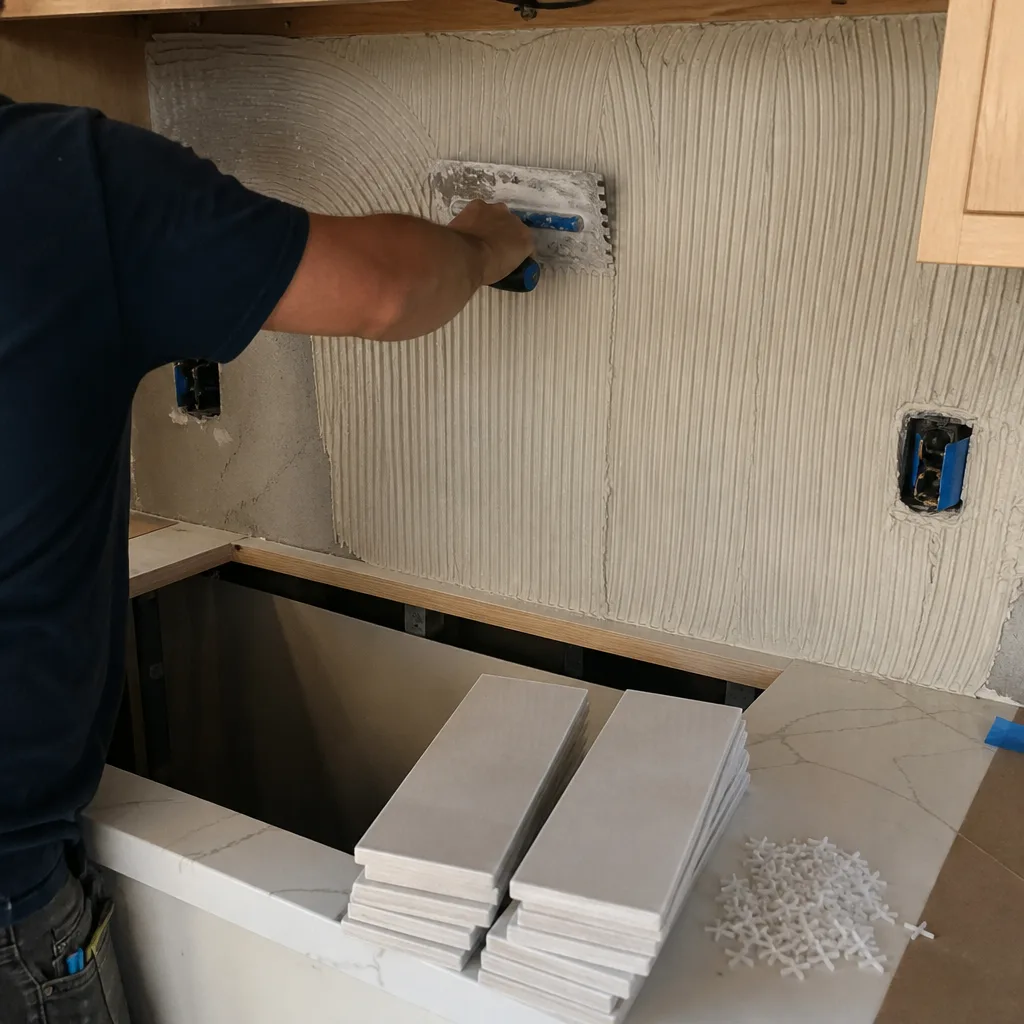
Every construction project generates imperfections. The skill is distinguishing what’s acceptable from what’s not - and the contractor who dismisses a structural issue as “cosmetic” is the one to watch.
| Observation | Cosmetic (Monitor) | Structural/Code (Act) |
|---|---|---|
| Drywall seam visible | Normal until paint and final finish | Seam opening >1/8″ after paint indicates framing movement |
| Tile lippage (height difference between adjacent tiles) | Up to 1/32″ for rectified tile, 1/16″ for pressed | Exceeds ANSI A108.02 standard; indicates substrate flatness failure |
| Window frame gap to rough opening | Up to 1/2″ for shimming and insulation | Gap >1″ without approved filler strip; compromises structural attachment and weather seal |
| Concrete crack in slab | Hairline (<1/16") from curing shrinkage | Crack >1/4″, differential elevation, or progressive widening indicates settlement or heave |
| Paint coverage variation | Touch-up after final coat | Staining or bleeding through indicates moisture intrusion or inadequate primer |
The specific questions to ask when a contractor says “that’s normal”:
- “What standard or specification defines ‘normal’ for this condition?”
- “Show me the manufacturer’s installation guide for this product.”
- “Will this condition be documented on the punch list with a completion date?”
- “If this worsens in six months, what’s the remedy process under the warranty?”
These four questions separate a contractor with documentation from one without. The answers should reference specific documents - the California Building Code section, the LVL manufacturer’s guide, the tile installation standard - not general reassurance.
In Redwood City, where many homes sit on expansive clay soils in the Farm Hill and Edgewood areas, a crack that a contractor calls “cosmetic shrinkage” may actually indicate differential settlement. Request a level survey of the slab if cracks show vertical displacement - the 10 minutes with a laser level saves months of dispute.
The Escalation Sequence: Protecting Your Legal Standing
California’s right-to-repair framework (SB 800, the “Right to Repair Act”) gives contractors specific time windows to cure defects before a homeowner can pursue legal remedies. But the framework only protects you if your concerns are documented with timestamps.
Step 1: Verbal Concern (Day 0)
State the observation plainly: “The shear wall blocking at line C appears to be missing at the second floor. I’d like to verify the nailing schedule before insulation goes in.” Note the date, time, and who was present. This is informal but establishes your awareness.
Step 2: Written Email Creating Timestamp Record (Within 48 Hours)
Send an email that recaps the verbal exchange and requests specific action: “Per our conversation on [date] at [time], I observed [specific condition] at [location]. Please confirm in writing whether this complies with [specific code section or plan detail] and provide the remedy schedule if not.” This email is discoverable evidence. Save it.
Step 3: Formal Cure Notice Under SB 800 (If Defect Confirmed)
California Civil Code Section 895 gives homeowners the right to serve a written notice of claim describing the defect in “reasonable detail.” The contractor then has 30 days to inspect, 30 additional days to propose a repair, and a reasonable time to complete it. Miss these windows and you may lose statutory protections. The notice should include:
- Property address and APN (Assessor’s Parcel Number)
- Date of discovery and date of occurrence (if known)
- Specific description with photos
- Reference to the contract warranty or statutory warranty period
- Request for inspection within 30 days
We’ve guided Redwood City homeowners through this process. The ones who documented from Step 1 resolved issues in weeks. The ones who waited until after final payment spent months in dispute.
The Final Walkthrough Punch List: Complete vs. Verbal
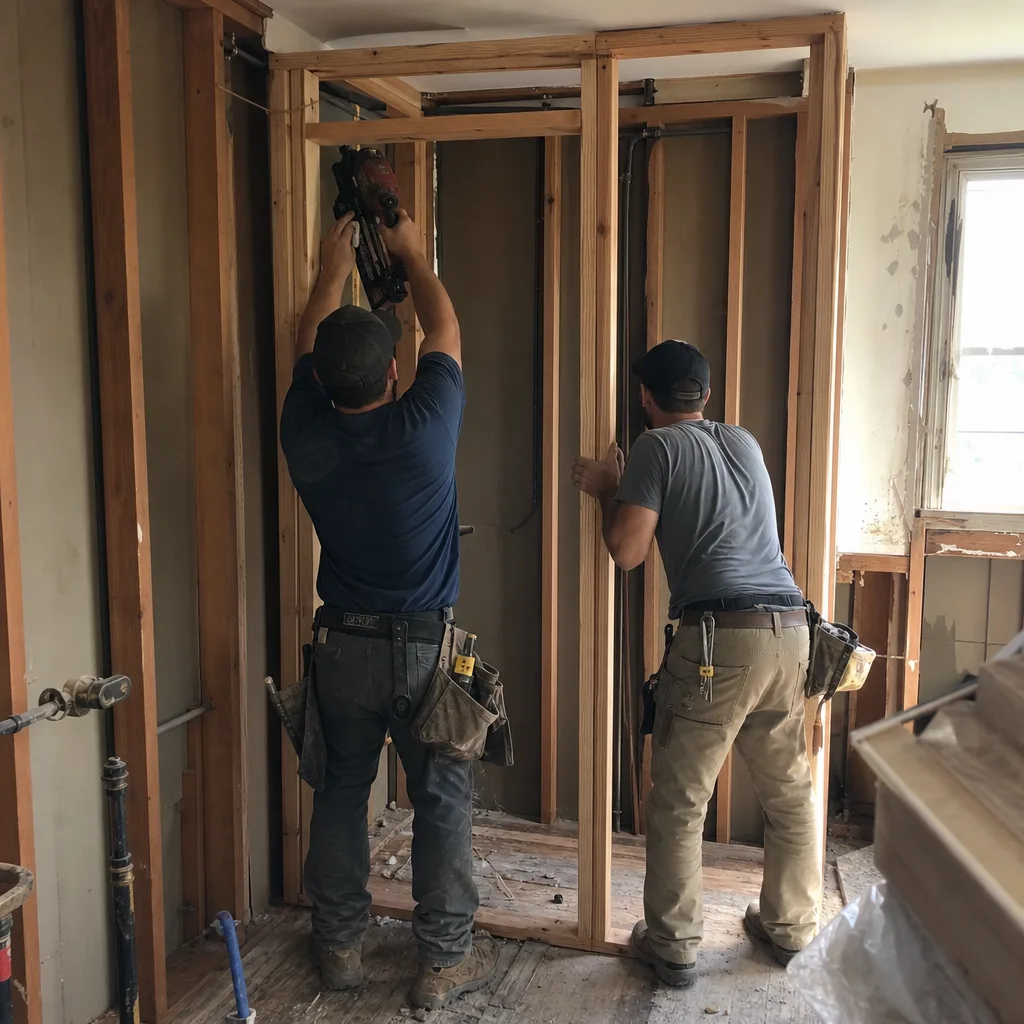
A punch list is a contract document, not a courtesy. The difference between a complete punch list and a verbal promise determines whether defects actually get fixed.
Complete punch list requirements:
- Each item numbered and described with location (“Master bath: 3/16″ grout crack at shower bench left corner, 6 inches from drain”)
- Photo attached to each item
- Completion date assigned
- Responsible party identified (contractor, subcontractor, or homeowner-supplied item)
- Sign-off line for homeowner verification
- Reference to warranty terms for recurrence
Verbal “we’ll take care of it” - what actually happens: The crew leaves, the contractor’s attention shifts to the next job, and the item disappears. Without a written list with dates, you have no enforcement mechanism. California law presumes final payment releases claims not documented at walkthrough.
At Rowan Construction Group, the documented photo record on every visit - included as standard, not an upgrade - becomes the baseline for the punch list. The customer already has evidence of what was found and what was done. The punch list references those photo numbers. This is the discipline Haven acquired Rowan for, and it’s why disputes are rare.
For Redwood City homeowners, we recommend scheduling the final walkthrough for daylight hours on a weekend when you’re not rushed. Bring the approved plans, the permit final inspection sign-off, and a flashlight for examining cabinet interiors and utility spaces. Test every outlet with a receptacle tester ($10 at hardware stores), run every faucet to full temperature, and operate every window and door through its full range. The 90 minutes of methodical inspection prevents years of annoyance.
Redwood City-Specific Risks: Climate, Code, and Soil
Redwood City’s construction environment creates specific warning signs that don’t apply uniformly across the Bay Area.
Marine climate moisture management. Redwood City’s proximity to the Bay brings morning fog and moderate temperatures that mask moisture accumulation. A contractor who omits rain-screen detailing behind stucco, or who installs vapor barriers on the wrong side of wall assemblies, creates concealed rot. The warning sign is visible only if you inspect during construction: weep screed (the perforated metal base trim that drains stucco assemblies) must be present and unobstructed. We’ve found it buried below grade in Farm Hill additions, trapping water against the sheathing.
Expansive clay soils. The USGS soil survey identifies significant clay content in Redwood City’s upland areas. This means foundation movement is ongoing, not historical. A contractor who installs rigid floor coverings (large-format tile, stone) without an anti-fracture membrane, or who doesn’t isolate the slab from non-structural walls, is ignoring local conditions. The warning sign: tile cracks that follow a pattern, not random distribution.
Seismic retrofit requirements. Unreinforced masonry and older wood-frame construction in Mount Carmel and Centennial neighborhoods require specific anchorage when altered. A contractor who proposes “opening up that wall” without mentioning seismic review is either unaware of Chapter A3 of the California Existing Building Code or hoping you won’t ask. The permit application will flag this, but only if one is filed.
Water heater bracing and strapping. Redwood City enforces California’s water heater bracing requirements strictly - two straps, upper and lower third, to structural framing. We’ve seen failed inspections for strap placement that’s technically present but functionally useless (strapped to drywall, not stud). Verify the strap anchorage, not just their existence.
ADU-specific setbacks. Redwood City’s ADU ordinance has specific side and rear setback requirements that differ from standard accessory structure rules. A contractor who begins foundation work before confirming setback compliance with the planning department is risking a stop-work order. The warning sign is simple: no planning department clearance letter in the permit file.
Common Mistakes to Avoid
- Accepting “industry standard” as a specification. “Industry standard” is undefined and unenforceable. Every material and method should reference a named standard - ANSI, ASTM, manufacturer guide - or the contract’s written scope.
- Paying the final draw before punch list completion. In Redwood City’s competitive contractor market, some homeowners release final payment to “keep the relationship positive.” The relationship ends when the check clears. Hold 5-10% until punch list sign-off.
- Not verifying the permit status online. San Mateo County and Redwood City both offer online permit tracking. Check it weekly. A permit that’s “under review” for weeks with no activity indicates a documentation problem or a contractor who hasn’t submitted complete plans.
- Ignoring the pre-drywall walkthrough. This is your last chance to see framing, mechanical, and electrical before concealment. Schedule it even if the contractor doesn’t mention it. Bring the approved plans and a camera.
- Assuming a “licensed contractor” means all workers are licensed. The entity holding CSLB license 1071234 may employ unlicensed subcontractors. Verify each trade’s license independently, especially for electrical, plumbing, and HVAC.
- Failing to request lien releases with each payment. California mechanics lien law allows subcontractors and suppliers to lien your property if unpaid by the general contractor. A conditional lien release with each progress payment is standard protection; its absence is a warning sign.
- Not reviewing the change order for cumulative impact. Three $2,000 changes don’t just cost $6,000 - they extend the schedule, trigger permit revisions, and may invalidate the original insurance certificate dates. Review the total project impact, not just the line item.
When to Call a Professional
Call a licensed contractor or structural engineer when you observe diagonal cracks wider than 1/4 inch in foundation or framing, when doors or windows bind after installation, when you discover unpermitted work during a renovation, or when a contractor’s response to your written concern is defensive rather than documentary. These conditions compound quickly and cost more to remedy with each week of delay.
For homeowners in Redwood City evaluating a project or concerned about ongoing work, Rowan Construction Group Redwood City offers free estimates and a Free Second Opinion on any written estimate - we’ll review a competitor’s quote line by line at no charge. Our crews are background-checked and uniformed; a live person answers calls 24/7. Call (650) 560-7228 to schedule your free estimate or second opinion review.
Frequently Asked Questions
Typical repair costs range from $2,500 for isolated drywall and paint remediation to $35,000-$75,000 for foundation or structural corrections in a Redwood City home. Electrical and plumbing defects caught during construction cost $500-$3,000 to remedy; the same defects after occupancy run $5,000-$15,000 due to access demolition and finish restoration. Call (650) 560-7228 for an exact quote on your specific condition - estimates are free.
At Rowan Construction Group, the price does not change once work starts unless you request a change and sign a written change order. Under Clause 1 of the Haven Standard, the written price is delivered before any work begins, every time. No change proceeds without your signed approval. This discipline has kept our projects within a few percent of the agreed cost across 4,000-plus jobs. If your current contractor cannot make this commitment in writing, the price will likely change.
Yes. Rowan Construction Group pulls all required permits and schedules inspections for Redwood City projects. The permit card is posted on site, and inspection results are documented in the photo record you receive. We do not begin work until permit issuance is confirmed. If a contractor suggests “pulling a homeowner permit” to save time, they are asking you to assume liability for code compliance.
A full kitchen remodel in Redwood City typically requires 10-14 weeks from demolition to final walkthrough, depending on permit timeline, custom cabinet lead times (KraftMaid and Wellborn cabinets run 6-8 weeks), and inspection scheduling. Bathroom remodels run 6-10 weeks. We provide a written schedule with milestone dates before work begins, updated weekly. Call (650) 560-7228 for a project-specific timeline with your free estimate.
Document the defect with dated photos, send a written email describing the condition and requesting remedy within 30 days, and if no response, serve a formal notice of claim under California Civil Code Section 895. Preserve all payment records and correspondence. For Redwood City homeowners facing this situation, Rowan Construction Group provides forensic inspection and repair services, and we can review your documentation to assess whether the defect falls under statutory warranty coverage. Call (650) 560-7228 to discuss your situation.
Visit cslb.ca.gov and enter the license number. Verify the status is “Active,” the classification matches the work (B-General for whole-house work, C-36 for plumbing, C-10 for electrical), and the workers’ compensation coverage is current if the contractor has employees. Check the disciplinary history. Do this before signing, not after a problem arises. Redwood City’s building department does not verify licensing; that responsibility is yours.
Most contractor warranties cover defects in materials and workmanship for one year but require the homeowner to prove the defect existed at installation. Our 365-Day Done Right Promise, backed by The Haven Standard, states simply: if it’s not done right, Rowan makes it right. The guarantee is printed on every page and backed by a terms page, not an asterisk. We don’t require you to prove causation; we require ourselves to deliver the documented standard we promised. This is the discipline Haven acquired Rowan for in 2007.
The Bottom Line
Construction warning signs are either visible or procedural - and the procedural ones cost more. In Redwood City’s high-value market, a homeowner who documents from day one, asks for written specifications, verifies licenses independently, and holds payment until punch list completion avoids the defects that drive projects 20% over budget. The physical warning signs - missing shear wall blocking, unprotected copper in concrete, wire nuts without boxes - are serious but fixable when caught early. The process failures - verbal change orders, unlicensed workers, material substitutions - are the ones that compound silently until the final invoice arrives. Your protection is systematic documentation: written quotes, signed change orders, photo records, and a complete punch list with dates. These are not administrative niceties; they are the tools that separate a successful project from a dispute.
For homeowners planning a project or concerned about ongoing work, Kitchen Remodeling in Redwood City, Bathroom Remodeling in Redwood City, and Roofing in Redwood City are among the seven trades Rowan Construction Group delivers with written prices before work starts and documented records when the crew leaves. Our 365-Day Done Right Promise, Free Second Opinion on any written estimate, and flat pricing with no change orders without your signature are standing offers.
Written by Grant Rowan, Owner at Rowan Construction Group Redwood City, serving Redwood City since 2007.