
Free written scope consultation - allowances, timeline, and change-order rules on paper before a single trade is scheduled
 Before
 After
After Before
 After
After Before
 After
AfterCover Home Additions & ADU: The Redwood City Owner’s Guide
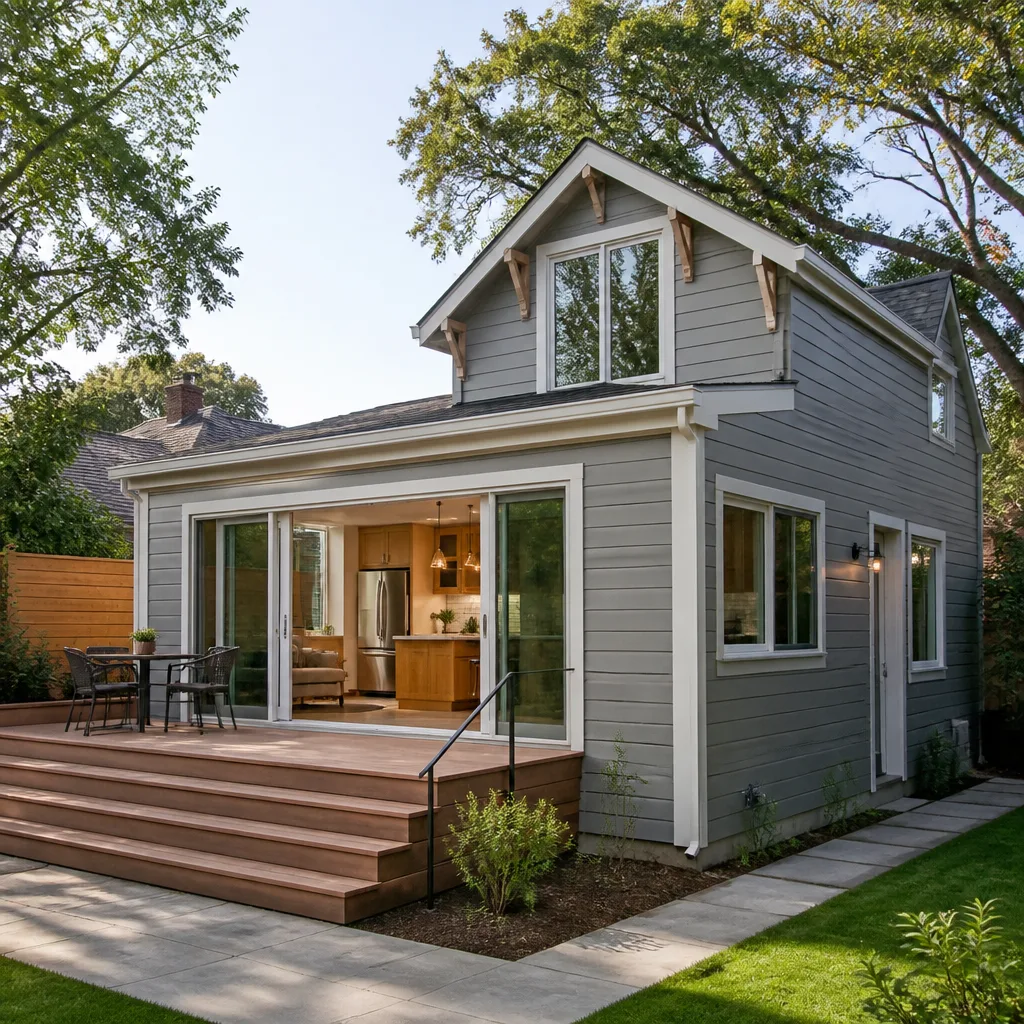
We stock and install Cover-compatible components for home additions and ADU projects in Redwood City, with typical installed work ranging from $45,000 to $130,000 for additions and $90,000 to $220,000 for standalone ADUs. Most Cover-integrated projects we quote in Redwood City are scoped and started within two weeks of the first site visit. Owners usually discover something’s wrong when the addition’s thermal envelope underperforms - rooms that won’t hold temperature, moisture staining at the Cover system seams, or the structural connection between existing and new construction showing settlement cracks after the first winter.
Which Cover Models This Applies To
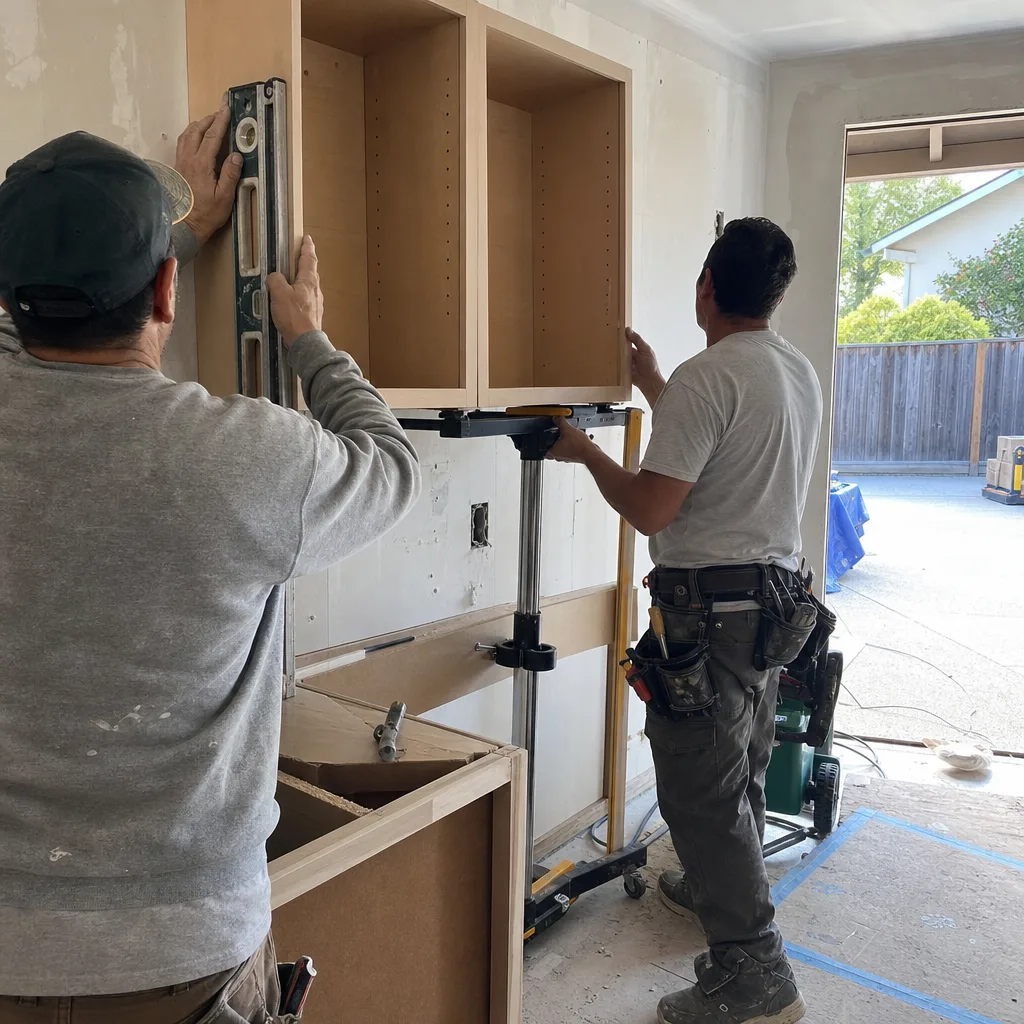
Cover’s home addition and ADU systems break into three product lines: the Cover Core panelized wall system, the Cover Span beam-and-post kit for open-plan connections, and the Cover Complete envelope package that integrates HVAC rough-in. The model designation lives on a metal tag at the primary structural connection point, usually the beam pocket where the addition meets the existing foundation. You’ll see a string like “CC-2022-SF-48” - the “SF” denotes San Francisco wind/seismic zone spec, which matters because Redwood City sits in the same ASCE 7-16 wind zone but with softer Bay Mud soils that change the footing depth.
OEM Cover components ship from their Hayward fulfillment center, typically three to five business days. We also spec compatible structural equivalents from Simpson Strong-Tie and MiTek for connection hardware, and Rockwool or Johns Manville for the thermal layer when Cover’s mineral wool lead time stretches past the foundation cure window. The decision between OEM and equivalent comes down to whether your original Cover purchase included their 10-year system warranty - mixing brands voids that coverage, which we flag in writing before ordering. Measure twice, document once, build it so it doesn’t come back.
Signs Your Cover Home Additions & ADU Is Failing
- Temperature stratification in the new space. The Cover envelope relies on continuous insulation without thermal bridging. When panel seams gap or the vapor barrier tears, you’ll feel a 10-15 degree difference between floor and ceiling. We see this most often in Redwood City’s Edgewood and Farm Hills additions where afternoon sun loads the south wall and reveals insulation settlement.
- Moisture staining at the existing-to-new wall junction. The Cover system uses a proprietary sill seal and flashing tape at this critical joint. If the tape was installed backward (smooth side out, which we’ve found on two Redwood City inspections this year), bulk water wicks behind the panel and shows up as brown ring stains at baseboard level.
- Cracking in the drywall at the 45-degree angle from door corners. This indicates the Cover Span beam is settling independently of the existing structure, usually because the specified post footing was poured at 18 inches instead of the 24 inches the Bay Mud soil here requires. The beam drops; the drywall doesn’t.
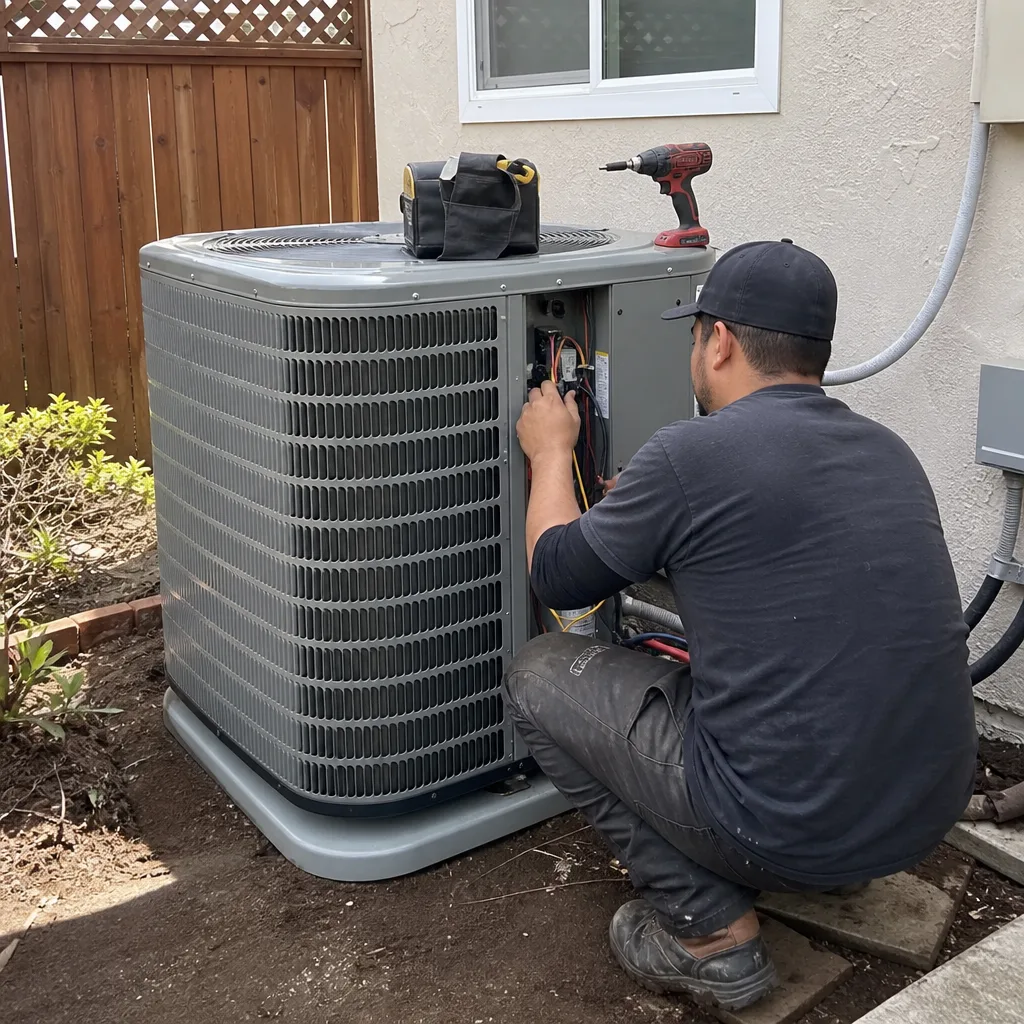
- HVAC short-cycling in the addition only. Cover Complete packages include a dedicated mini-split rough-in. When the line set was field-routed through an uninsulated chase instead of the specified conditioned soffit, the refrigerant picks up heat and the head unit hits high-pressure limit in ten minutes. The unit isn’t broken; the installation missed the detail.
- Exterior panel face delamination or bubbling. Cover’s fiber-cement facing is rated for 150 freeze-thaw cycles. Redwood City’s mild climate shouldn’t stress it, but we’ve replaced panels in the Stambaugh-Heller neighborhood where sprinklers hit the wall daily and the constant wet-dry cycling broke down the acrylic coating in four years instead of fifteen.
 Before
 After
AfterReplacement Cost & What’s Included
| Project Scope | Redwood City Price Range | Typical Timeline |
|---|---|---|
| Cover envelope repair (localized) | $8,000-$22,000 | 1-2 weeks |
| Structural connection rebuild | $15,000-$35,000 | 2-3 weeks |
| Full addition replacement | $45,000-$130,000 | 6-10 weeks |
| ADU (new construction, Cover system) | $90,000-$220,000 | 4-6 months |
The range driver is almost always the existing-to-new connection condition. When we can tie into sound framing and the original foundation passes a rebar scan, we’re at the lower end. When we find the previous crew skipped the epoxy-set anchor bolts or poured a floating slab with no rebar, we’re rebuilding from grade. Every quote is flat-priced with a written scope and a written warranty under Clause 1 of the Haven Standard. No work proceeds on a change until the change order is signed - the discipline that has kept our projects within a few percent of the agreed number across 4,000-plus jobs since 2007.
DIY or Call Us?
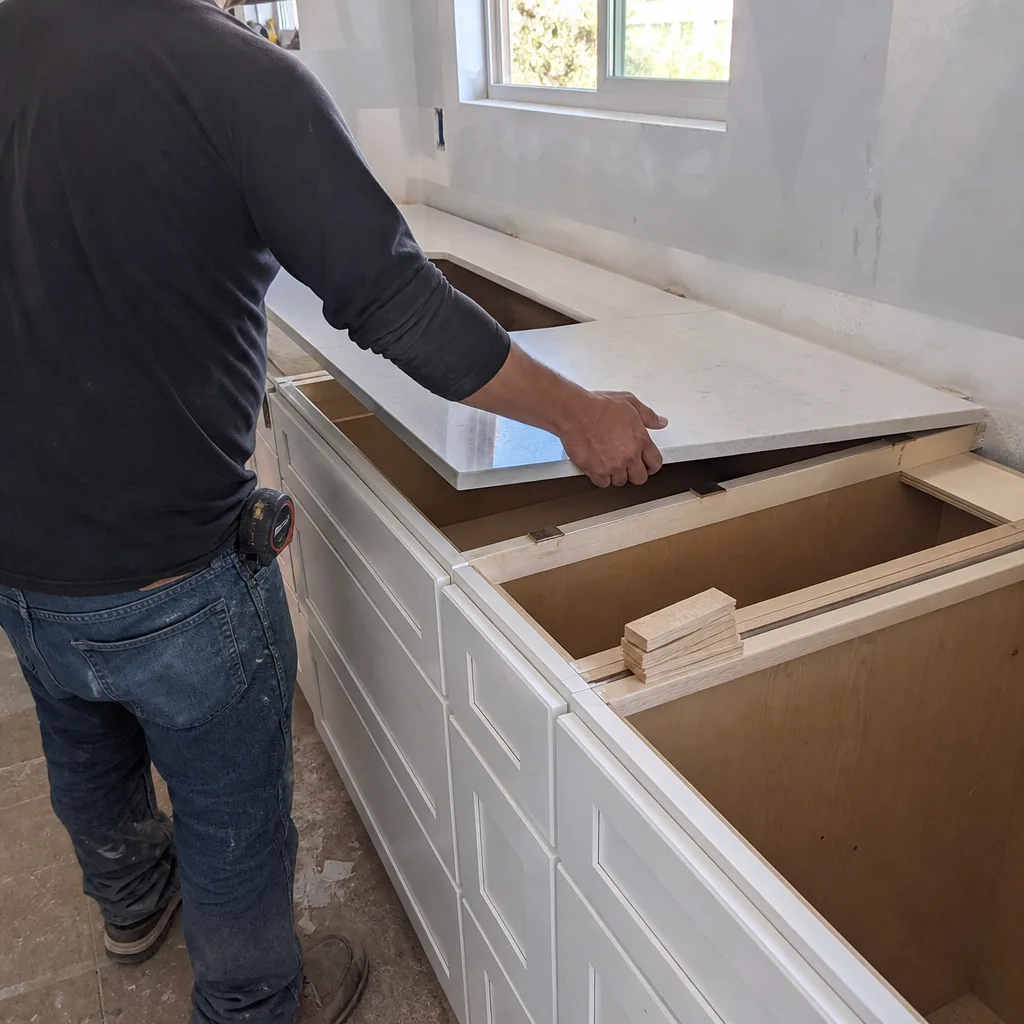
An owner can safely check three things: the model tag location, whether the foundation crack pattern is static or growing, and whether the moisture stain feels damp to touch after three dry days. What you cannot safely assess is the structural connection torque on the Cover Span beam bolts - these run 3/4-inch diameter, 150 ft-lb spec, and require a calibrated torque multiplier in the confined space of a crawlspace. We’ve found two Redwood City homeowners who sheared bolts attempting this with a standard socket wrench.
The electrical and HVAC rough-in within Cover panels is code-legal only with a C-10 or C-20 license in California. More critically, the refrigerant line pressure testing and evacuation requires EPA Section 608 certification. We carry that; most homeowners don’t. If you’re seeing the symptoms above, call (650) 560-7228 and we’ll schedule a documented inspection - photo record included, no charge for the visit if you proceed with the written quote.
FAQs
Properly installed, the structural frame should last 50-plus years; the thermal envelope components need attention at 15-20 years, sooner if the exterior coating maintenance schedule was skipped. Redwood City’s salt air exposure is minimal compared to the coast, but the summer marine layer moisture cycling accelerates fastener corrosion if the specified stainless hardware was substituted for galvanized. Call (650) 560-7228 for an exact condition assessment - estimates are free.
Localized envelope failures - torn membrane, settled insulation, failed tape seams - can be repaired without disturbing the structural frame. We do this routinely in Redwood City’s older additions. When the panel facing has delaminated or the structural connection has settled, replacement is the only code-compliant path. We quote both options when both exist.
Permit timeline through Redwood City’s Building Division runs 4-6 weeks for additions, 6-8 weeks for ADUs with the required planning review. Construction duration is 6-10 weeks for additions, 4-6 months for ADUs, assuming no change orders. We pull permits as standard; the fee is in your written quote, not a surprise later.
We stock Cover-compatible connection hardware, flashing, and sealants on our Redwood City trucks. OEM Cover panels and beams ship from Hayward in 3-5 business days for standard sizes; custom heights add one week. We don’t start demo until materials are on-site - under Clause 3 of the Haven Standard, no owner pays for downtime caused by our scheduling.
Rowan Construction Group Redwood City is an independent contractor and is not affiliated with Cover. We also stock and install compatible components from KraftMaid, Cambria, and Silestone where those trades intersect with your addition or ADU scope.
Ready to get a written price before anyone picks up a tool? Call (650) 560-7228 to schedule your free estimate. We’ll bring the photo documentation, the flat quote, and the signed scope - same process we’ve used since Grant Rowan founded the company in 2007.
Written by Grant Rowan, Owner, Rowan Construction Group Redwood City at Rowan Construction Group Redwood City, serving Redwood City and nearby areas.