
Free written scope consultation - allowances, timeline, and change-order rules on paper before a single trade is scheduled
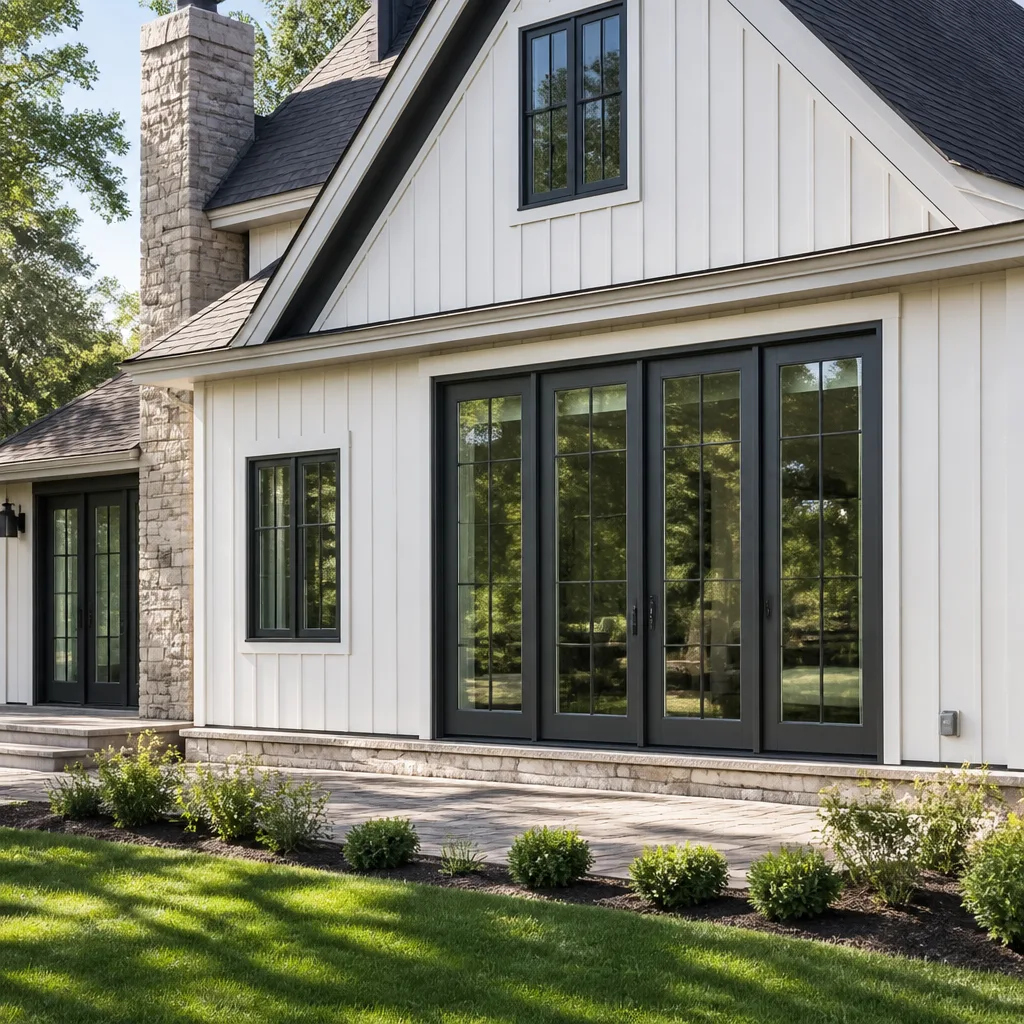
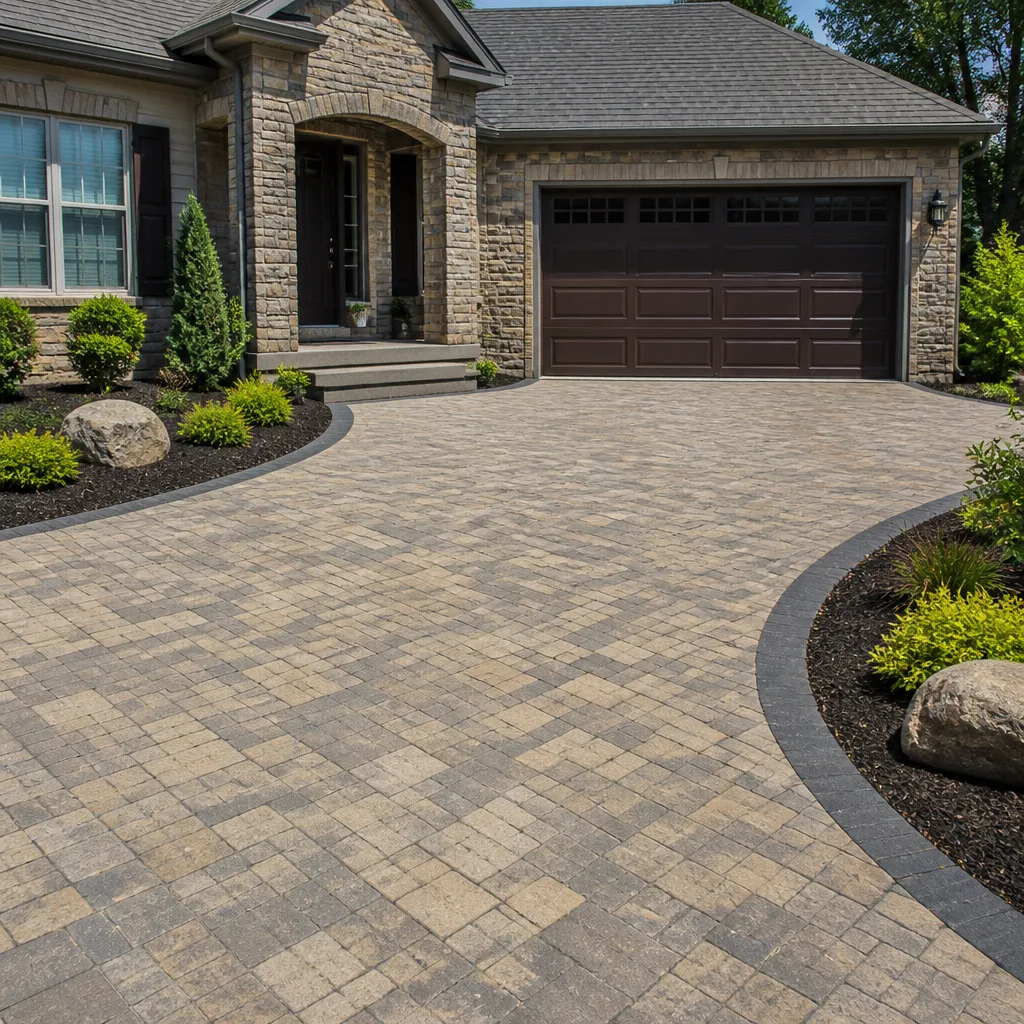
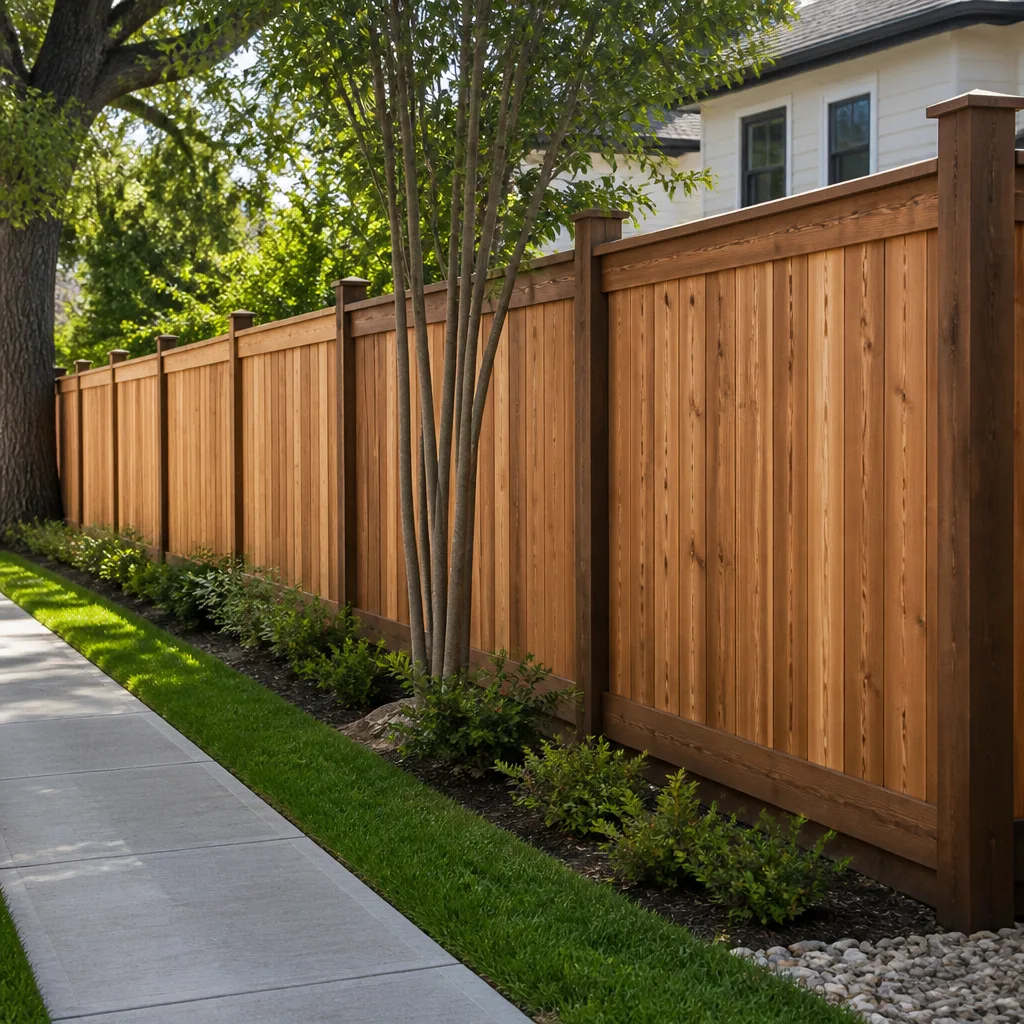
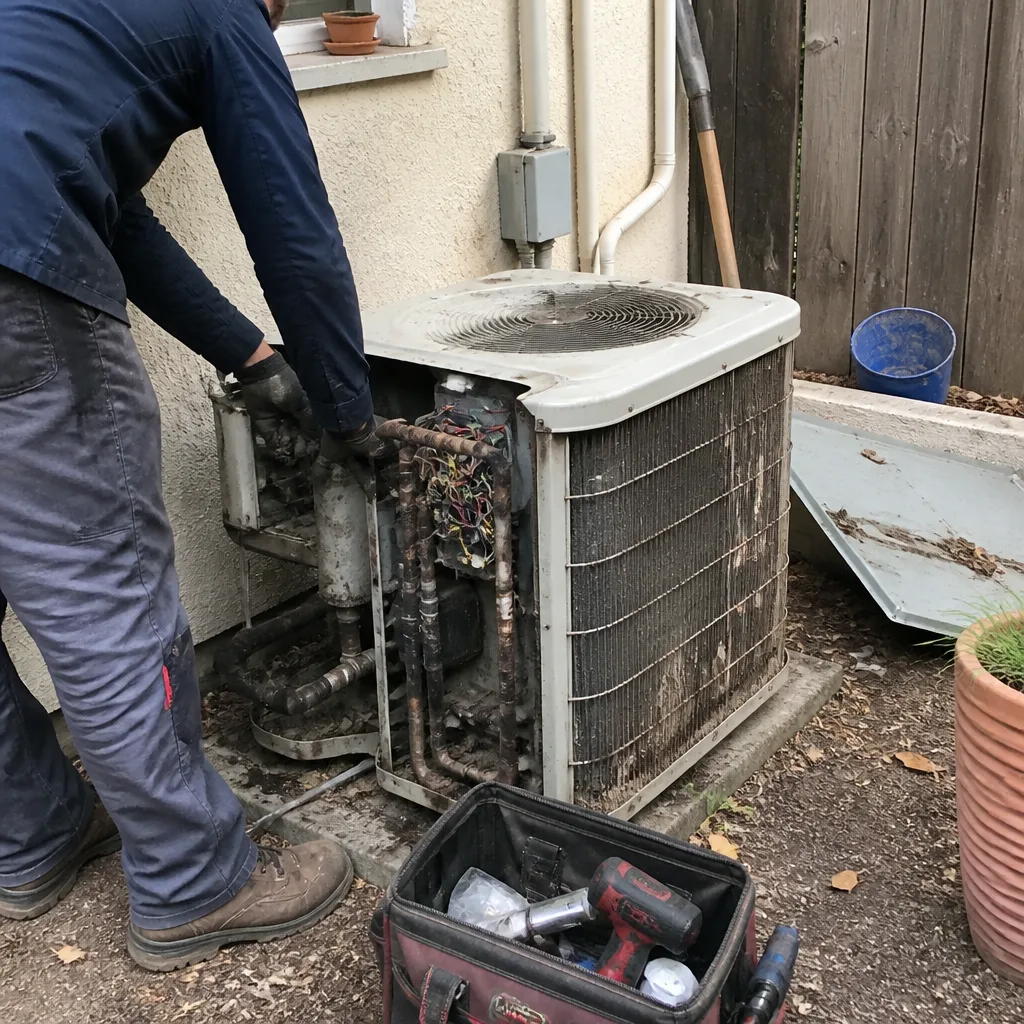 Before
 After
After Before
 After
After Before
 After
AfterDvele Home Additions & ADU: The Redwood City Owner’s Guide
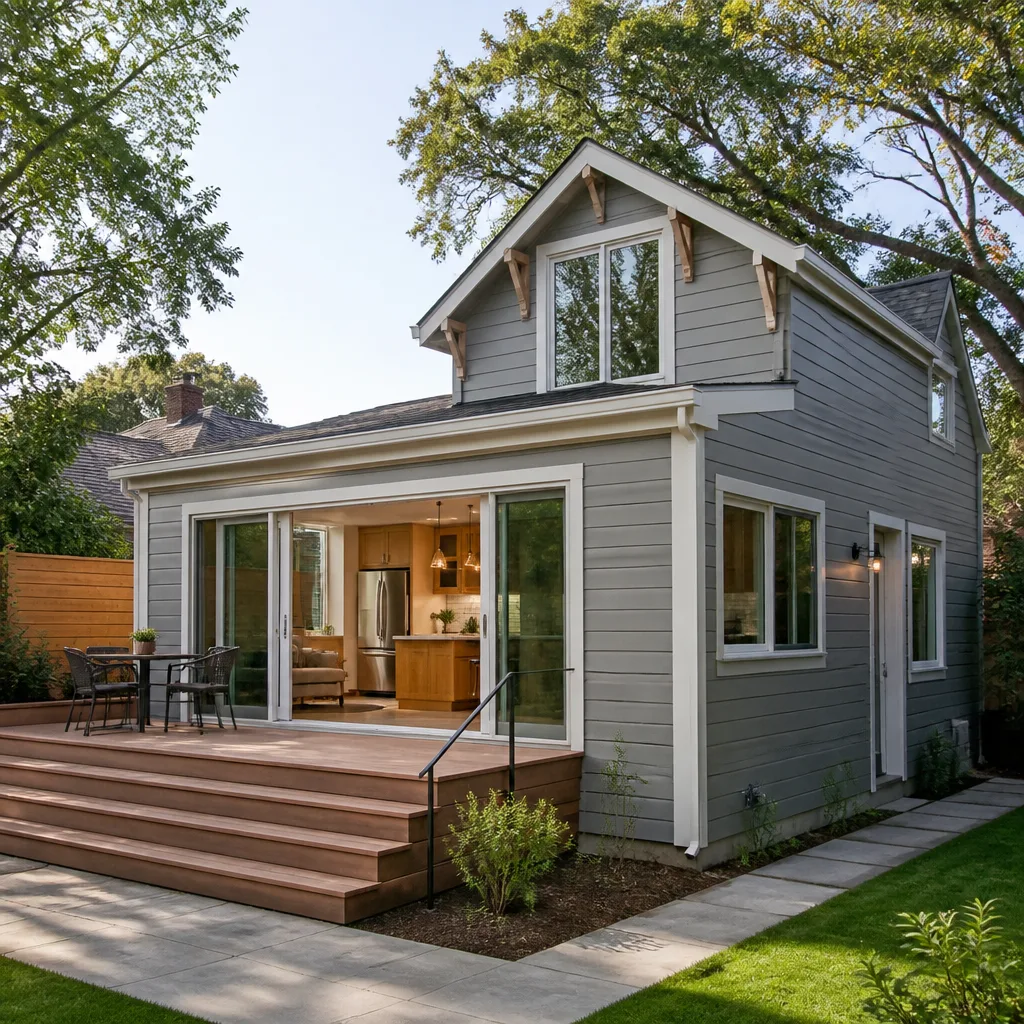
We stock and install Dvele-compatible components for home additions and ADU projects throughout Redwood City, with typical installed pricing from $45,000 to $130,000 for additions and $90,000 to $220,000 for standalone ADUs. Most Dvele systems we encounter are integrated structural and mechanical packages, so a failing component usually reveals itself during rough inspection or when the HVAC, electrical, or plumbing rough-in doesn’t pass muster. In Redwood City, we regularly see Dvele owners discover issues when the City’s building department flags a subsystem during the mandatory rough-in inspection, often because a prefabricated connector or specified junction box doesn’t match the field conditions of an older Redwood City lot.
Which Dvele Models This Applies To
Dvele produces factory-built, high-performance home modules with integrated MEP systems, not discrete parts you swap at a hardware store. The systems we work on in Redwood City fall into two categories: Dvele’s full home modules (typically 400-1,200 square feet per module) and their ADU-specific lines designed for California’s Title 24 energy code. To identify what you’re working with, check the Dvele data plate, usually located on the electrical panel enclosure or the HVAC air handler. The plate lists the module serial, the integrated system package revision, and the California HCD insignia number.
The OEM-versus-aftermarket question for Dvele is different than for a standard fixture. Dvele modules use proprietary junction boxes, pre-wired electrical harnesses, and spec’d mechanical connections that mate with factory-sealed penetrations. We don’t source random aftermarket equivalents. When a Dvele component fails, we match the spec revision from the data plate and order through Dvele’s parts channel or fabricate a compatible solution that satisfies Redwood City’s building department and the original engineering. We’ve learned that mixing in generic electrical boxes or non-spec’d plumbing manifolds creates inspection failures that cost more than the part itself.
Signs Your Dvele Home Additions & ADU Is Failing
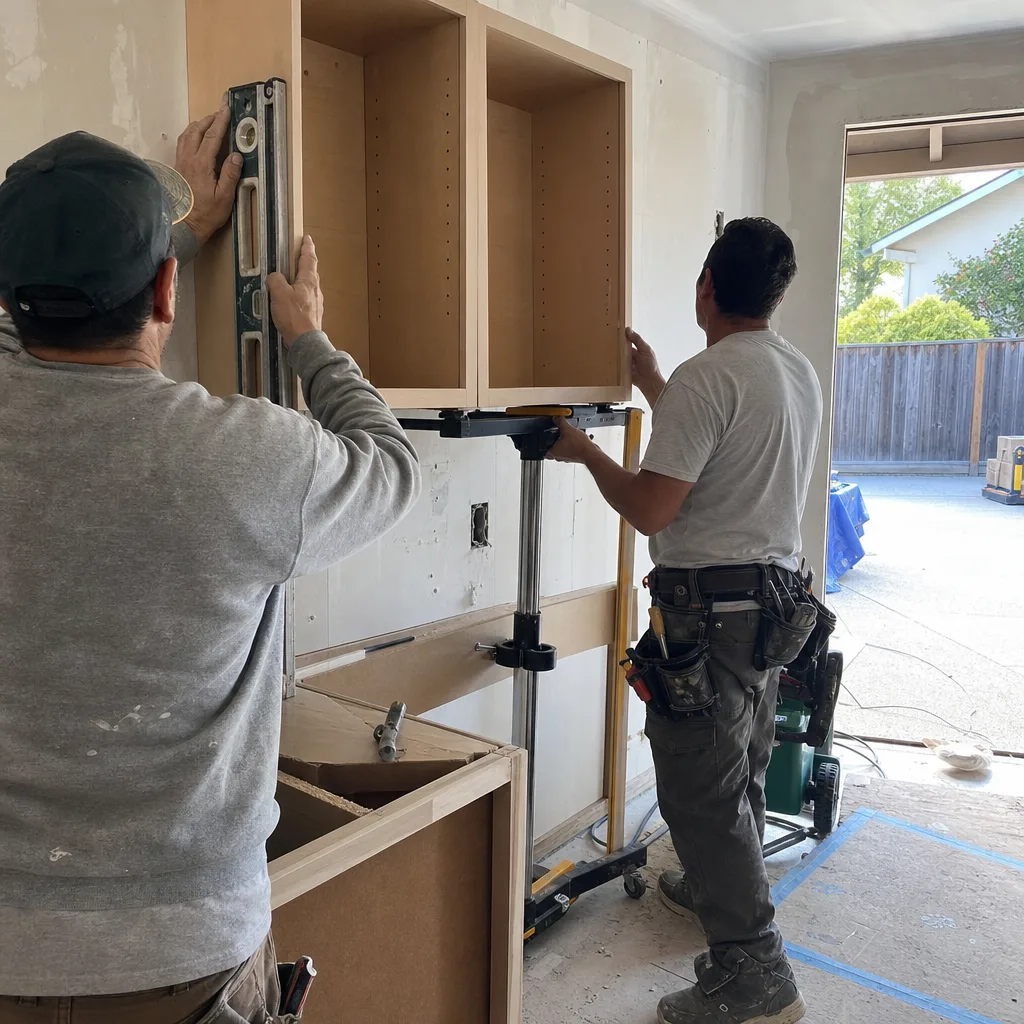
- Rough inspection failure on electrical rough-in. Redwood City’s inspectors will flag a Dvele module if the pre-wired harness doesn’t terminate in an accessible junction box per CEC Article 314, or if the factory box location conflicts with local amendments. We see this most often in Mount Carmel and Farm Hill additions where setback requirements push the module tight to property lines.
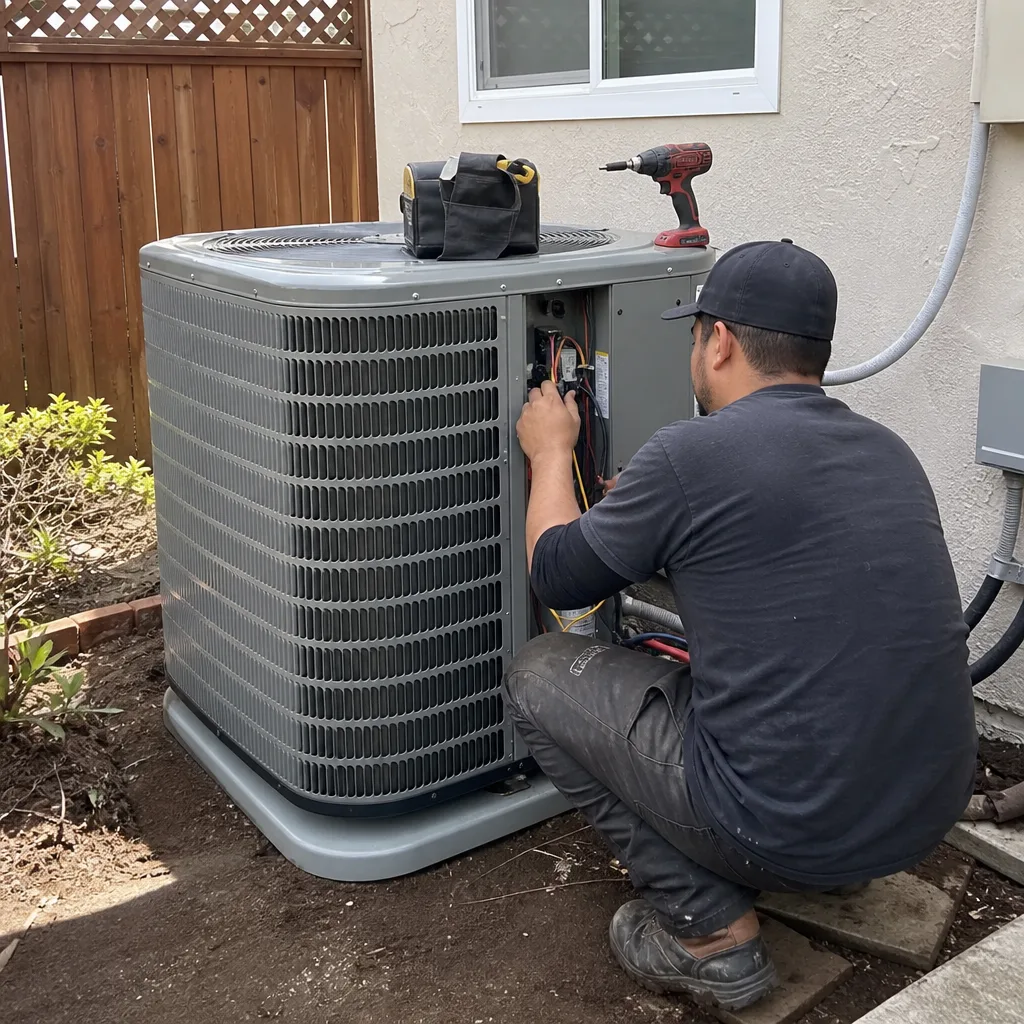
- HVAC pressure test failure. Dvele’s ducted mini-split packages ship with sealed refrigerant lines, but the field connection to the outdoor unit can leak if the flare fitting loosens during transport or crane-set. The symptom is a failed 500-micron vacuum test at startup, and the fix is replacing the flare and re-pulling vacuum, not just adding refrigerant.
- Plumbing manifold leak at the PEX crimp. Dvele uses Uponor or similar PEX-a with expansion fittings, but if the factory crimp was done out of spec or the manifold shifts during seismic bracing, you’ll get weeping at the manifold body. In Redwood City’s clay-heavy soils, especially in the Edgewood area, foundation movement accelerates this.
- Window or door rough opening misalignment. Dvele modules ship with bucks installed, but thermal expansion between the steel frame and the wood buck can loosen fasteners. The symptom is an out-of-square opening that prevents proper door operation or breaks the weatherstrip seal, which matters for Title 24 compliance.
- Moisture intrusion at the module-to-module seam. Dvele’s gasketed connections are precise, but if the set crew over-compresses or under-compresses the seal during cranage, water enters at the horizontal joint. We find this in winter when Redwood City’s wind-driven rain hits the exposed seam before siding goes on.
 Before
 After
AfterReplacement Cost & What’s Included
For a Dvele-related repair or subsystem replacement within a home addition or ADU project in Redwood City, installed costs typically run $45,000-$130,000 for full additions and $90,000-$220,000 for standalone ADUs. Single-component fixes, like a failed electrical harness or HVAC flare replacement, fall lower in that range; module-level structural or envelope work pushes toward the top.
What drives the spread: access (crane rental for module separation versus working through interior panels), the revision level of your Dvele system (older revisions need adapter components), and whether Redwood City requires a structural observation letter from Dvele’s engineer for the repair. Our quotes include parts, labor, permit fees, and the documented photo record. Under Clause 1 of the Haven Standard, you get the written price before anyone picks up a tool. The 365-Day Done Right Promise covers the workmanship, and we pull all permits and pass all inspections before we consider the job closed.
DIY or Call Us?
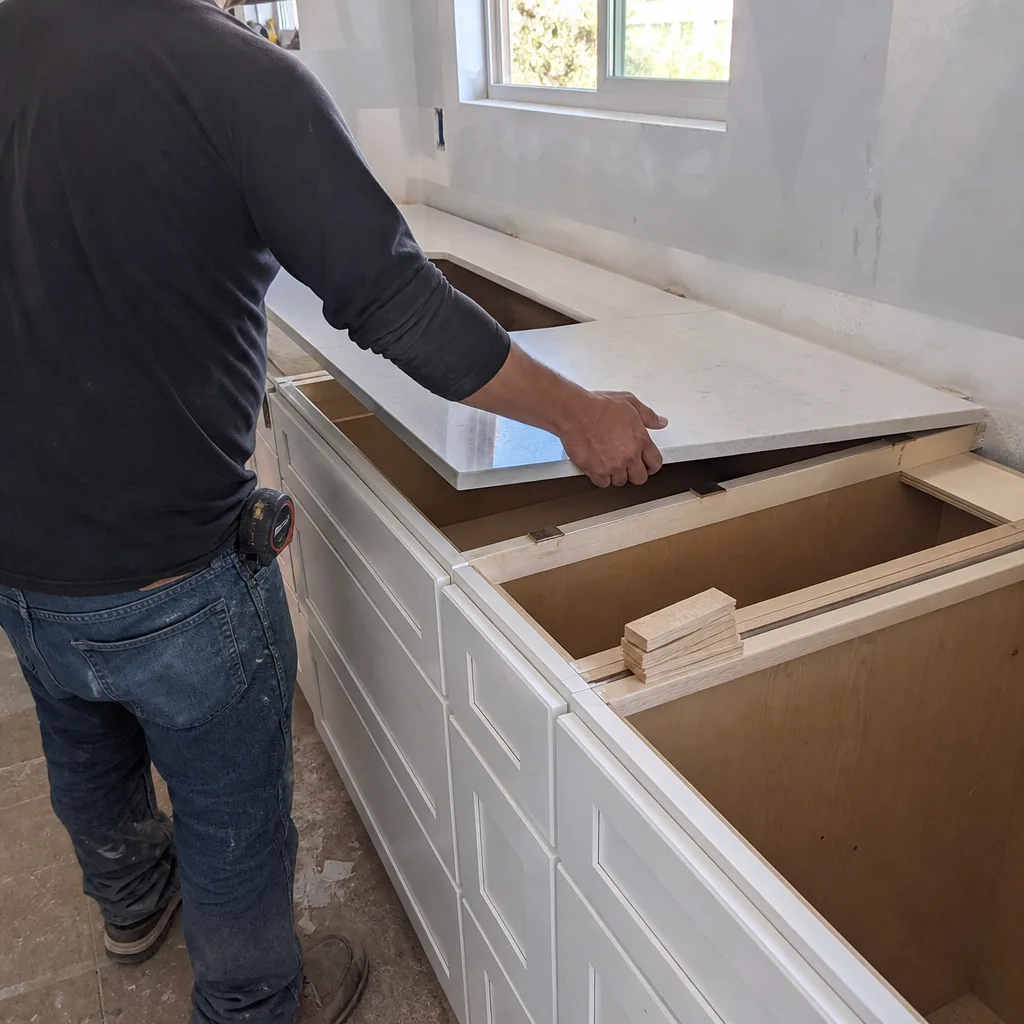
There’s a clear line here. An owner can safely check the Dvele data plate and photograph any visible leak or misalignment for documentation. You can also verify that circuit breakers are labeled and that the HVAC disconnect is accessible per code.
Don’t attempt electrical harness repair, refrigerant work, or structural seam resealing yourself. Dvele modules are engineered systems; altering the electrical or envelope without Dvele’s engineering sign-off voids the warranty and fails inspection. The refrigerant lines operate at 400-plus PSI, and the envelope seals are part of the structural diaphragm. We’ve been called to Redwood City jobs where a well-meaning owner’s DIY fix cost triple what the original repair would have, because we had to undo the work and bring in Dvele’s engineer for a revised letter. Call (650) 560-7228 and we’ll scope it properly.
FAQs
The integrated electrical and HVAC components are engineered for 20-25 years, but the PEX manifold and envelope seals need inspection at year 10, especially in Redwood City’s marine-influenced climate with its wet winters and dry summers that cycle materials. Call (650) 560-7228 to schedule a documented inspection - estimates are free.
Sometimes. A leaking HVAC flare can be re-made; a misaligned door buck can be shimmed and re-fastened. But a cracked manifold body or compromised electrical harness requires replacement, not patching, to maintain the Dvele warranty and pass Redwood City inspection. Call (650) 560-7228 and we’ll tell you which category you’re in.
A single subsystem replacement, like an electrical harness or HVAC flare pair, takes one to two days once parts arrive. Module-level envelope work takes one to two weeks, depending on crane scheduling and weather. We build that timeline into the written quote. Call (650) 560-7228 for a schedule that fits your project.
We don’t stock full Dvele modules, but we maintain relationships with Dvele’s parts channel and carry common adapter components for the revisions we see most in Redwood City. For specialized items, we order to the data plate spec and track delivery so your project doesn’t stall. Call (650) 560-7228 to confirm availability for your module revision.
Rowan Construction Group Redwood City is an independent service provider, not affiliated with Dvele. We also stock and install components compatible with KraftMaid, Cambria, and Silestone products.
Measure twice, document once, build it so it doesn’t come back. That’s how Grant Rowan runs every crew, and it’s why we keep the list of what went wrong last time - so we don’t repeat it on your job in Redwood City.
Ready to get the number in writing? Call (650) 560-7228 to schedule your free estimate. We’ll review your Dvele data plate, walk the site, and deliver a flat written price with a written scope before any work starts.
Written by Grant Rowan, Owner, Rowan Construction Group Redwood City at Rowan Construction Group Redwood City, serving Redwood City and nearby areas.