
Last updated September 25, 2026
Free written scope consultation - allowances, timeline, and change-order rules on paper before a single trade is scheduled
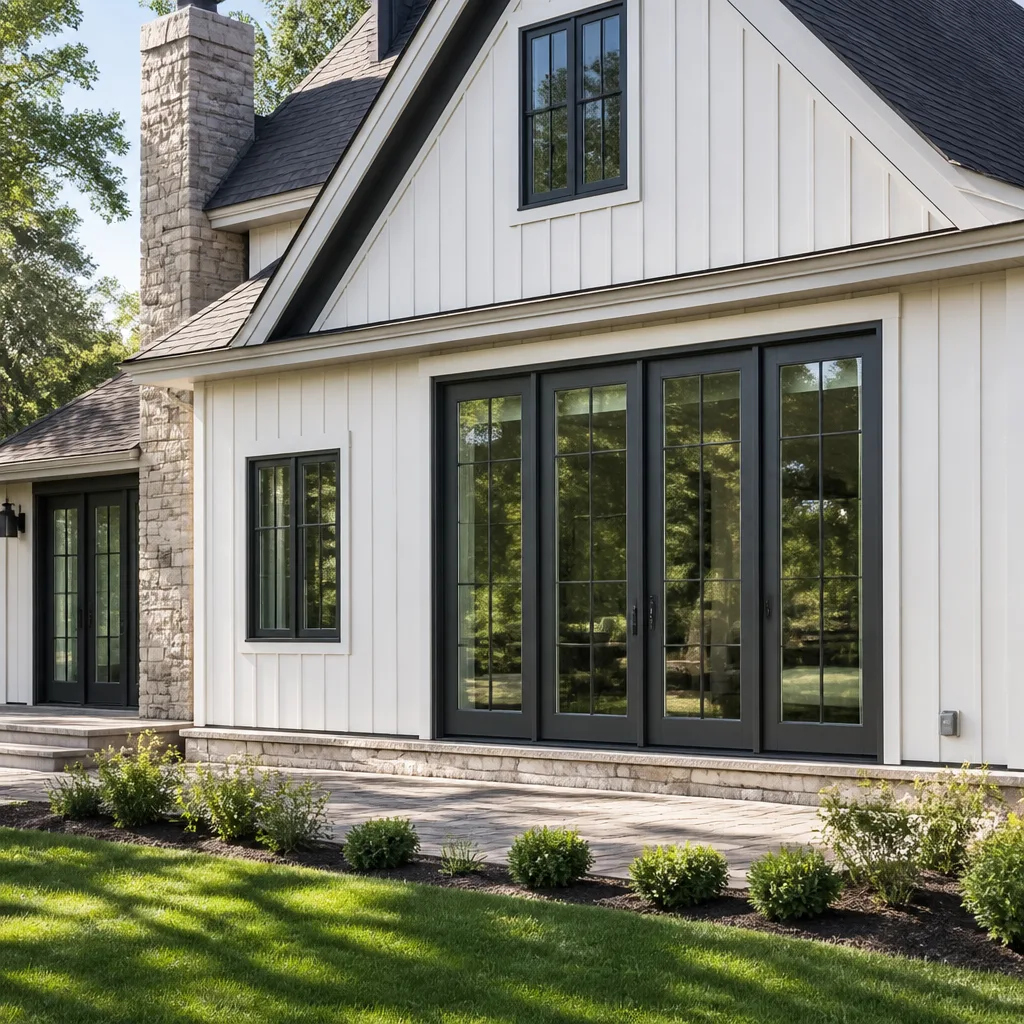
 Before
 After
After Before
 After
After Before
 After
AfterThe Complete Guide to Construction in Redwood City
The national average cost-per-square-foot figure cited in most construction guides is $163. In Redwood City, the same scope routinely runs $280-$420 - a gap wide enough to blow a budget before a single permit is pulled. This guide maps the three forces driving that gap: Bay Area material premiums that add 15-35% to national price lists, San Mateo County permit timelines that stretch 6-10 weeks for standard residential work, and a licensed specialty labor market where qualified subs book 6-12 weeks out. For a deeper dive into local pricing, see our Construction Cost Breakdown: The Redwood City Homeowner’s Reference for 2026. You’ll learn how to plan against these realities with dollar figures, documented sequences, and the permit triggers that separate over-the-counter approvals from plan-check queues.
Quick Answer
Construction in Redwood City, CA typically costs $280-$420 per square foot for residential projects, with permit timelines averaging 6-10 weeks through San Mateo County and licensed specialty trades booking 6-12 weeks in advance. Successful projects here require early permit submission, written pricing before work begins, and a contractor with documented change-order controls to keep final costs within a few percent of the original quote.
Table of Contents
- What Construction Actually Costs in Redwood City
- San Mateo County Permit Timelines: Over-the-Counter vs. Plan Check
- The Seven Trades and California CSLB Licensing Requirements
- Bay Area Material Premiums and Brand Lead Times
- Hillside Lots, Bay Proximity, and Foundation Specifications
- The Change-Order Problem: Documented Controls vs. Budget Blowouts
- A Realistic Project Planning Sequence for Redwood City
- Common Mistakes to Avoid
- When to Call a Professional
- Frequently Asked Questions
 Before
 After
AfterWhat Construction Actually Costs in Redwood City
Redwood City sits in San Mateo County, between San Francisco’s tech economy and Silicon Valley’s housing demand. That geography shows up in construction costs in ways national averages never capture.
Here are the 2024-2025 price ranges we quote for common projects in Redwood City neighborhoods from Mount Carmel to Redwood Shores:
| Project Type | Price Range | Notes |
|---|---|---|
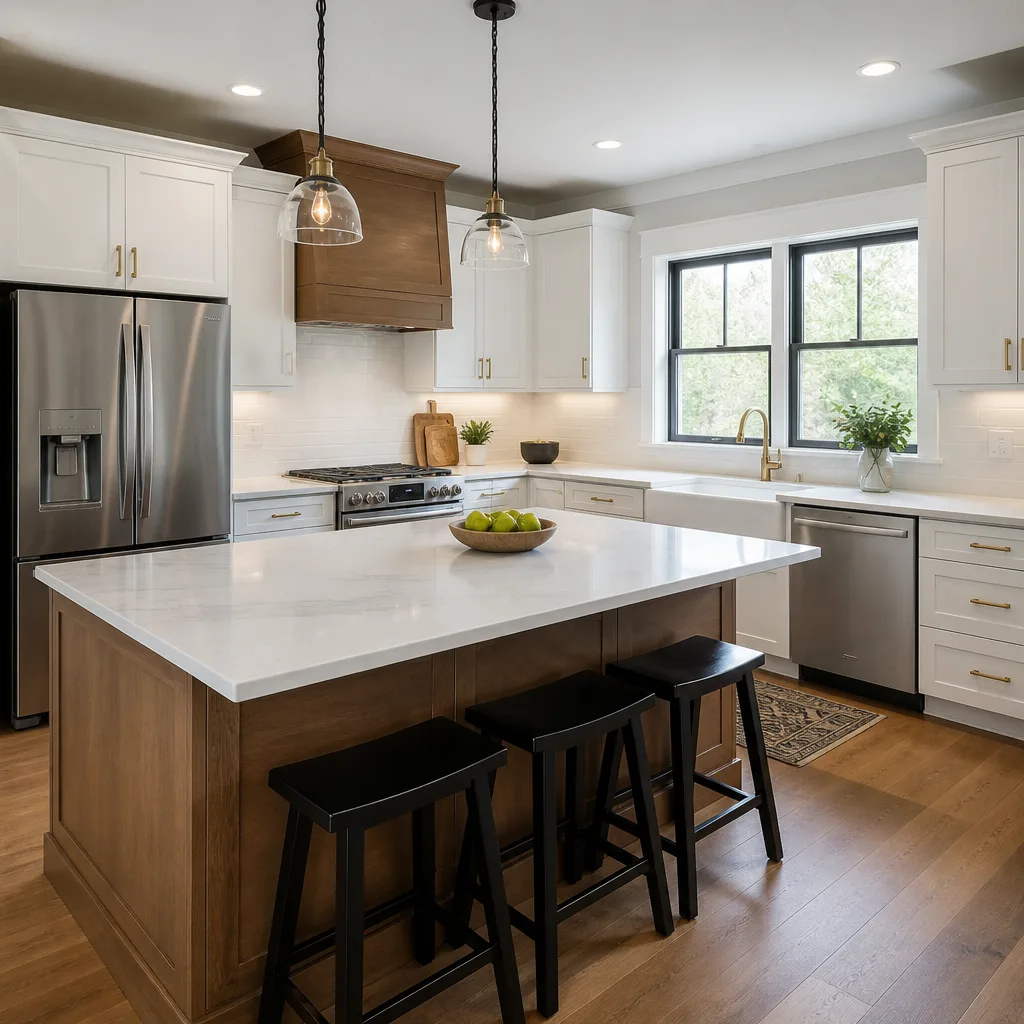
| Kitchen remodel, mid-range | $75,000-$145,000 | Includes cabinetry, countertops, flooring, electrical, plumbing; excludes structural changes |
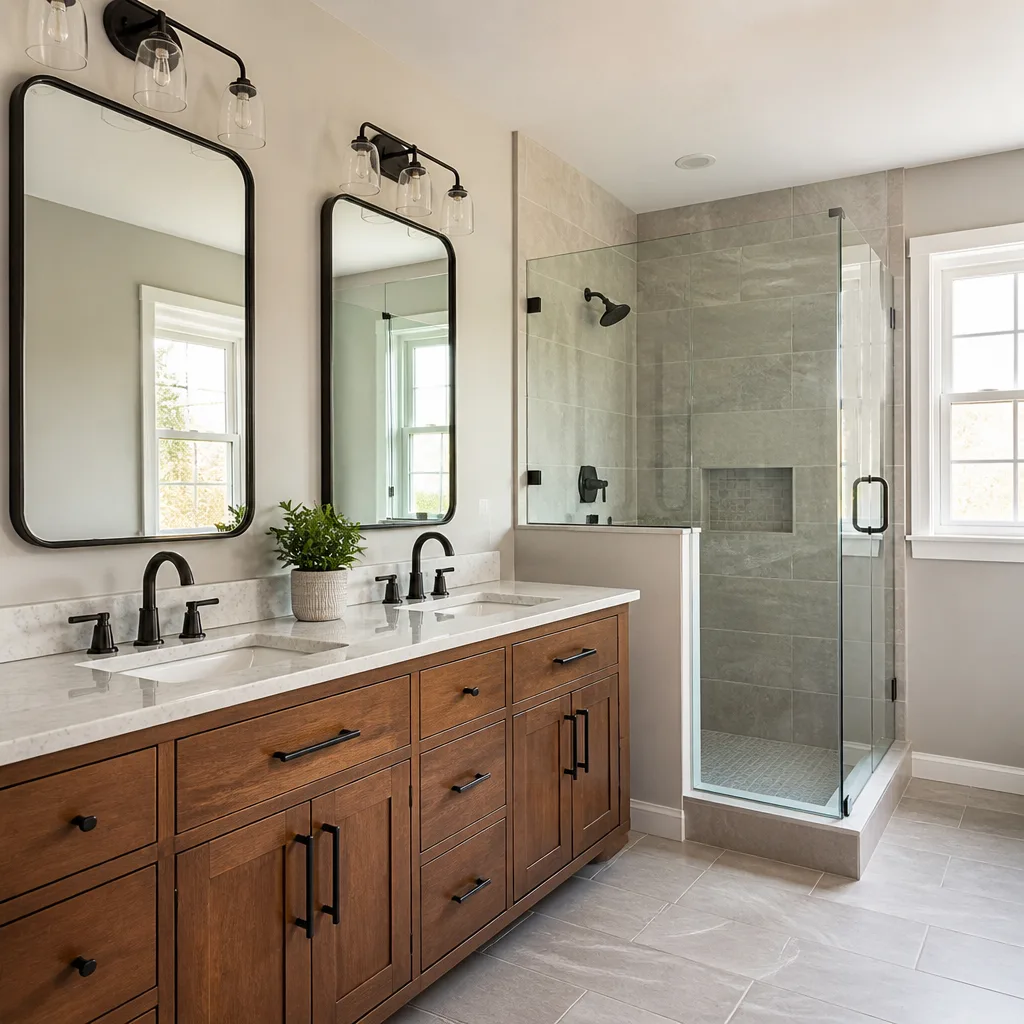
| Bathroom remodel, full | $35,000-$75,000 | Includes wet-area waterproofing, tile, fixtures; master baths with freestanding tubs at upper end |
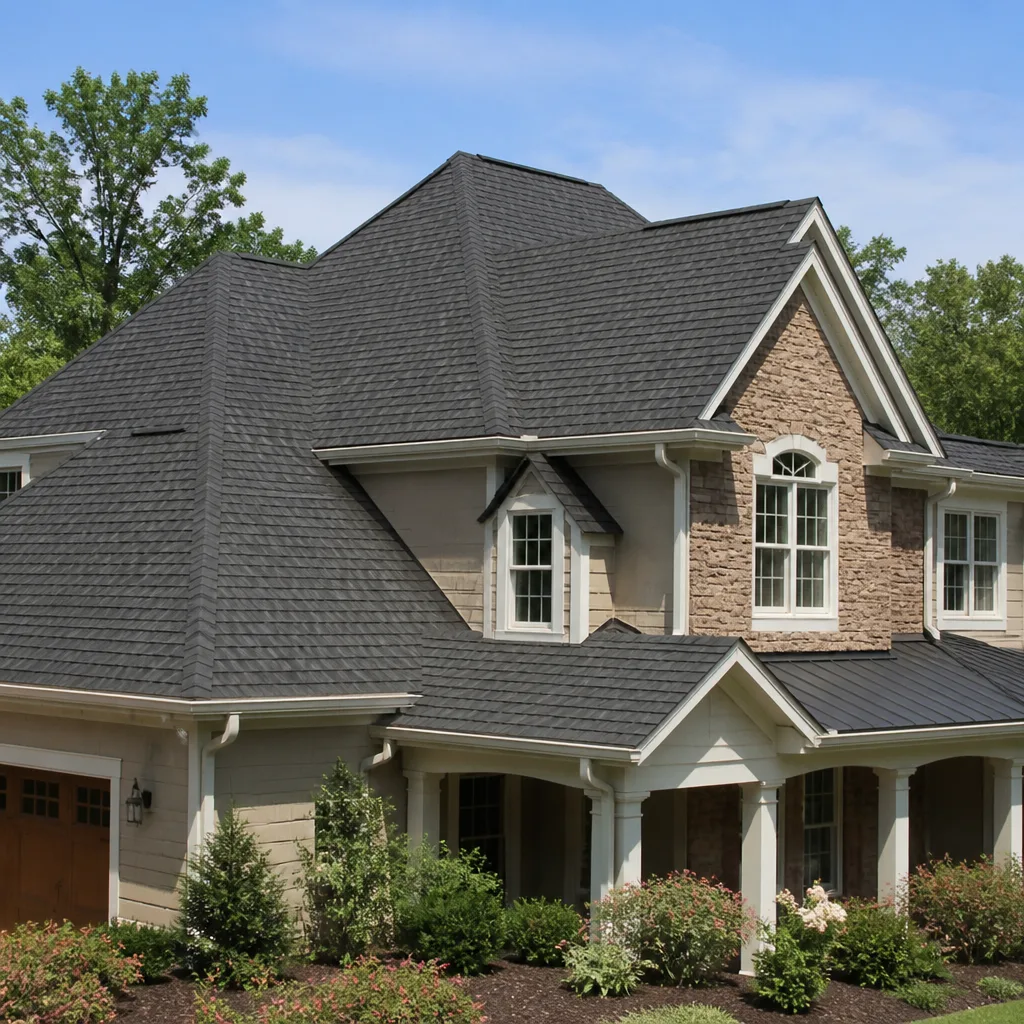
| Roof replacement, asphalt shingle | $18,000-$32,000 | Typical 2,000 sq ft home; GAF Timberline HDZ or Owens Corning Duration |
| Window replacement, full home | $22,000-$48,000 | 15-25 units; Andersen 400 Series or Milgard Ultra at mid-range |
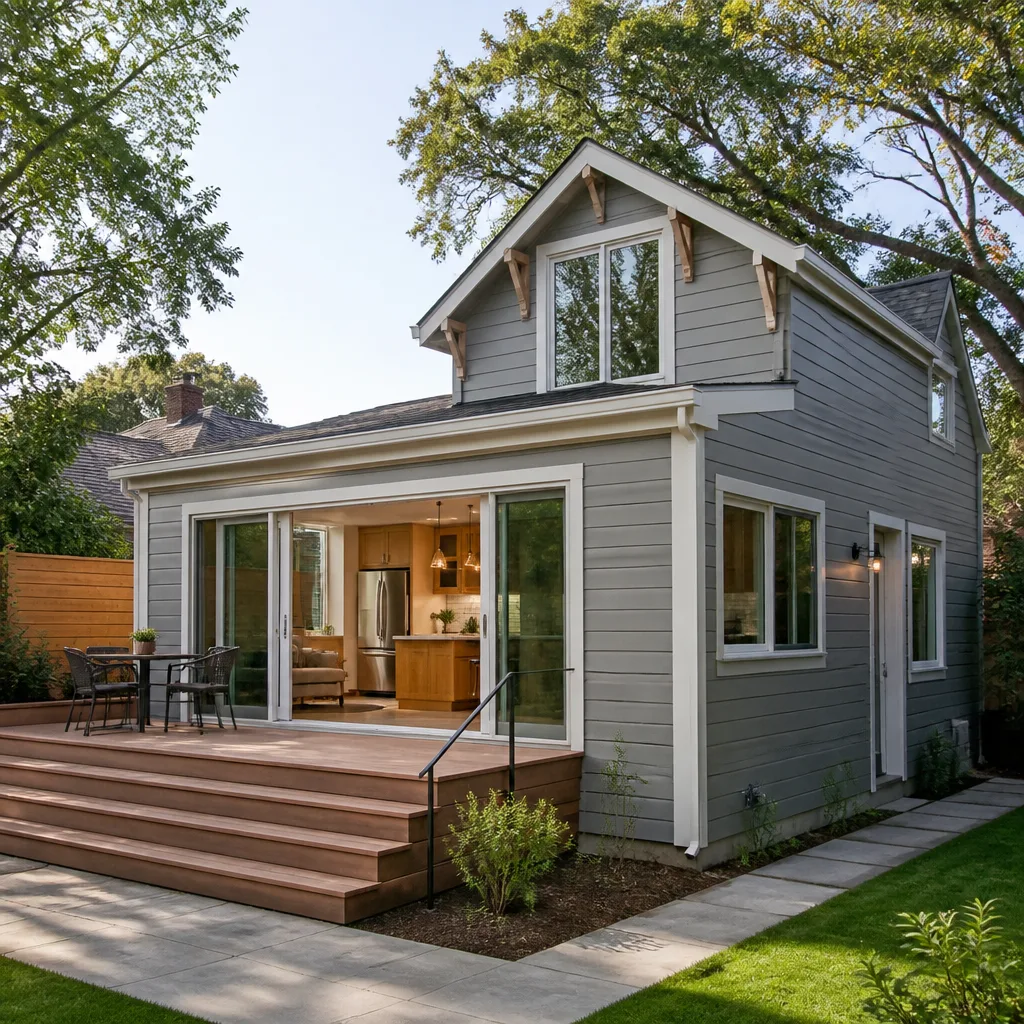
| ADU, detached 1-bedroom | $220,000-$340,000 | Includes foundation, utility tie-ins, kitchenette, bath; permit and impact fees additional |
| Home addition, 400 sq ft | $112,000-$168,000 | At $280-$420/sq ft; foundation type and hillside conditions drive variance |
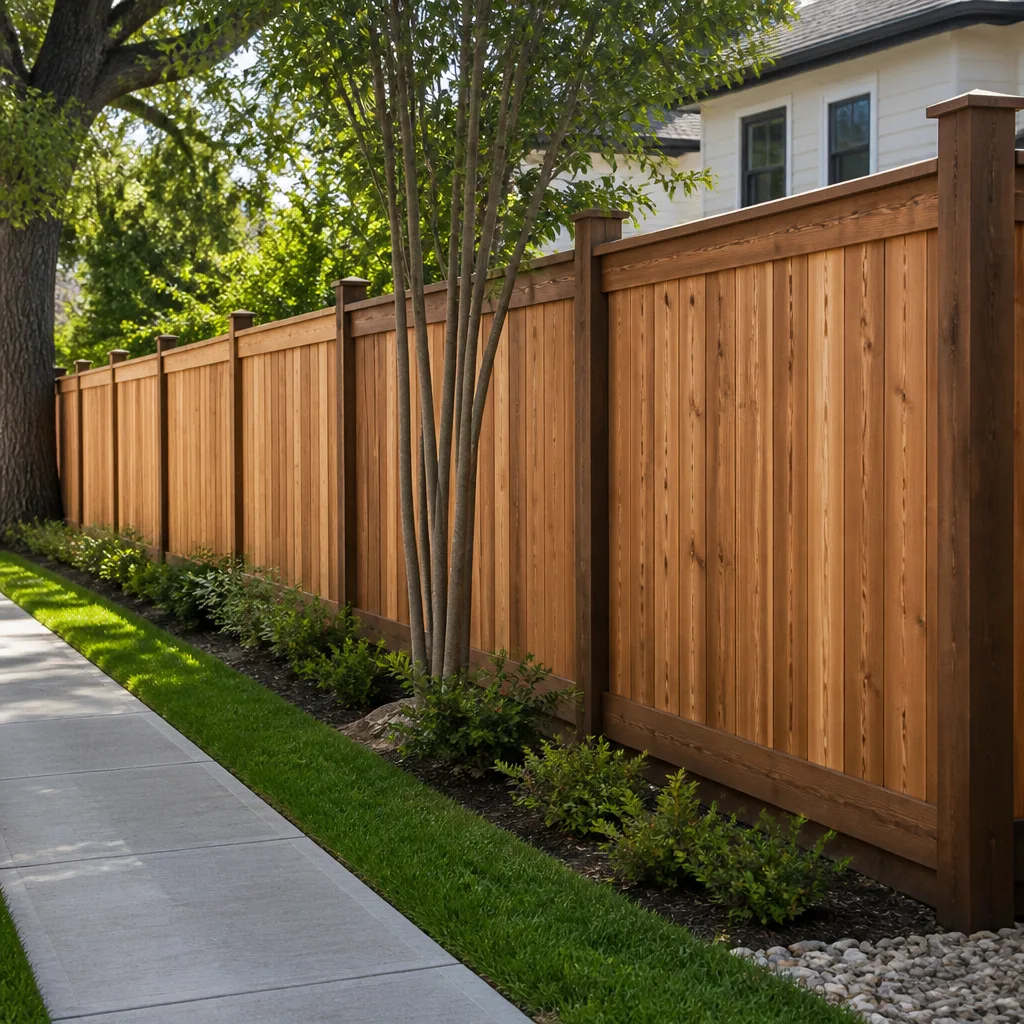
| Fence installation, 200 linear ft | $8,500-$18,000 | Redwood, vinyl, or ornamental iron; Master Halco or Ameristar materials |
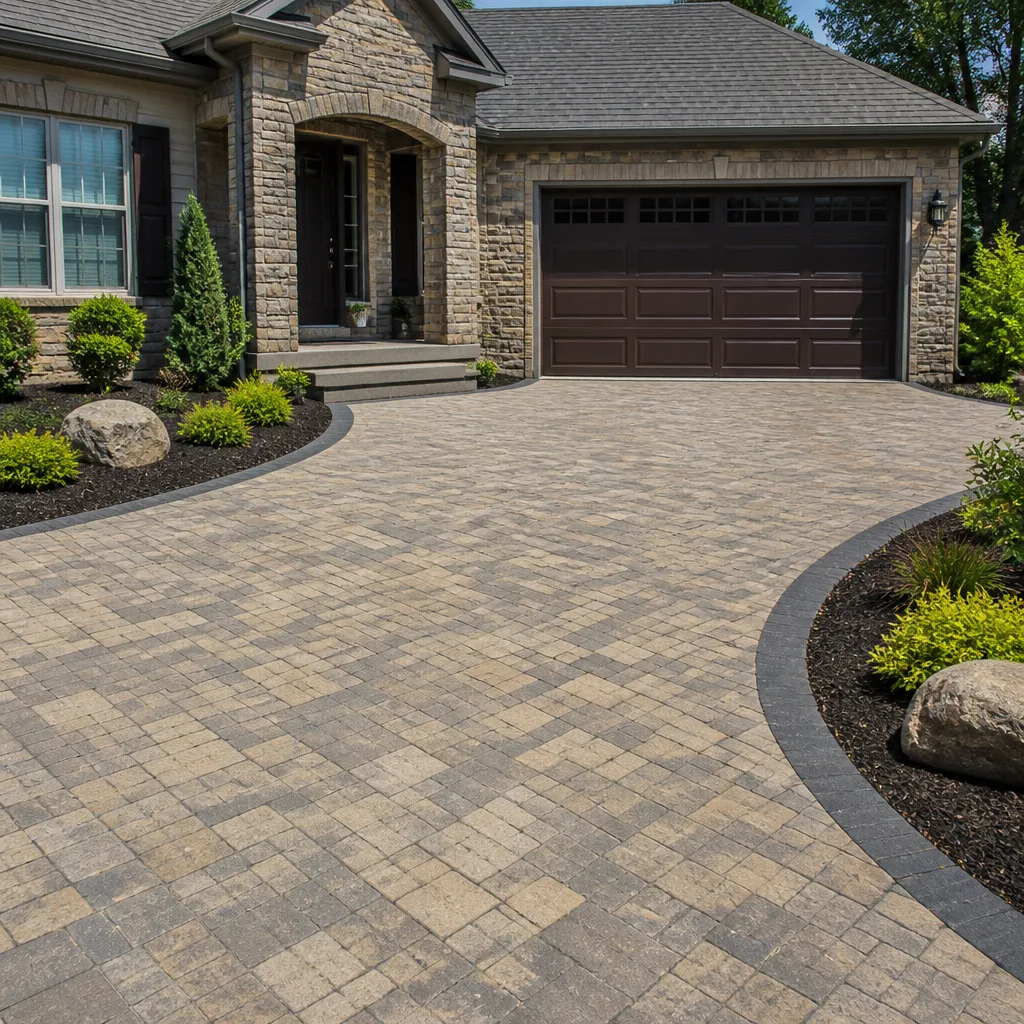
| Driveway/pavers, 600 sq ft | $12,000-$28,000 | Concrete or Belgard/Techo-Bloc pavers; drainage and subgrade condition affect price |
These numbers reflect what we write on quotes before any work starts. They’re not estimates that shift later - they’re flat prices with written scopes, which is Clause 1 of the Haven Standard we operate under.
The $280-$420 per square foot spread comes from three local factors:
- Labor rates: Licensed carpenters, electricians, and plumbers in San Mateo County command $85-$140/hour, versus $55-$85 in national markets. The CSLB license is the floor, not the ceiling - experienced trades with clean records and active insurance book at the top of that range.
- Material transport: Heavy materials - concrete, lumber, roofing - incur Bay Area fuel surcharges and bridge toll allocations that don’t appear on national price lists. A bundle of GAF Timberline HDZ shingles costs 12-18% more delivered to Redwood City than to Sacramento.
- Code compliance layers: San Mateo County’s amendments to the California Building Code, plus Redwood City’s local hillside and flood-zone overlays, add inspection sequences and material specifications that simpler jurisdictions don’t require.
We’ve delivered over 4,000 projects since 2007, every one with a written price before work started. The few-percent variance we achieve comes from documenting the full scope upfront, not from lowballing and changing later.
San Mateo County Permit Timelines: Over-the-Counter vs. Plan Check
Generic construction guides cite 2-3 week permit timelines. In Redwood City, that’s true for exactly one category of work: simple replacements with no structural, electrical, or plumbing changes. Everything else sits in a queue that’s grown longer as post-2020 construction demand surged.
Here’s how San Mateo County’s building department actually processes permits:
Over-the-counter approvals (same day to 5 business days):
- Window-for-window replacement with identical rough openings
- Roofing overlay (new shingles over existing, where structurally approved)
- Fence installation under 7 feet on flat lots outside hillside zones
- Cosmetic interior work: flooring, paint, cabinet replacement without plumbing relocation
Plan-check queue (6-10 weeks standard, 12-16 weeks during peak season):
- Kitchen or bathroom remodels with plumbing fixture relocation
- Any electrical panel upgrade or service change
- Structural modifications: wall removal, beam installation, foundation work
- ADUs and home additions
- Projects in hillside zones requiring geotechnical review
- Any work triggering California Energy Code compliance documentation (Title 24)
The 6-10 week timeline assumes complete plans on first submission. Incomplete submissions - missing energy calculations, unclear structural details, or undocumented asbestos surveys for pre-1980 homes - restart the queue. We’ve seen Redwood City projects lose 8 weeks to a single missing HERS rater certificate.
Plan-check fees in San Mateo County run 2-4% of project valuation, with minimums around $800 for residential work. ADUs carry additional school impact fees and utility connection charges that can add $8,000-$15,000 to project cost.
Our process: we submit permit packages only after the written price is signed, and we track submission status weekly. The customer receives a documented photo record of every site visit, including permit-related inspections, as standard - not as an upgrade.
The Seven Trades and California CSLB Licensing Requirements
California’s Contractors State License Board (CSLB) issues 44 different license classifications. Most Redwood City residential projects activate seven of them. Understanding which trade holds which license protects you from unlicensed work that voids insurance and creates liability exposure.
| Trade | CSLB Classification | License Type | Typical Redwood City Booking Lead Time |
|---|---|---|---|
| Framing / rough carpentry | B (General Building) | Required for structural work | 4-8 weeks |
| Electrical | C-10 | Specialty, mandatory | 6-12 weeks |
| Plumbing | C-36 | Specialty, mandatory | 6-10 weeks |
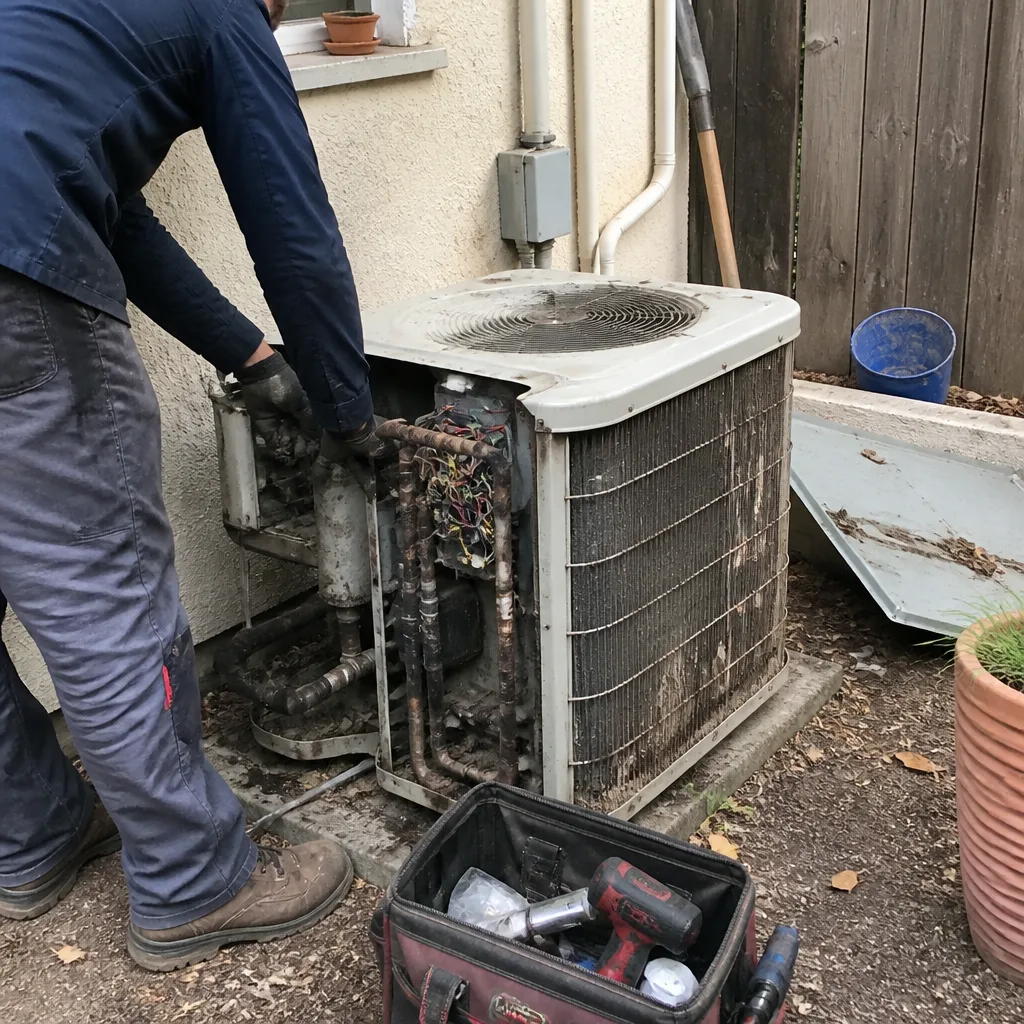
| HVAC | C-20 | Specialty, mandatory | 4-8 weeks |
| Roofing | C-39 | Specialty, mandatory | 3-6 weeks |
| Tile (wet areas) | C-54 or B | Specialty for waterproofing | 4-8 weeks |
| Finish carpentry | C-5 or B | Specialty or general | 3-6 weeks |
The B (General Building) contractor can self-perform framing and finish carpentry, but must subcontract C-10, C-36, C-20, and C-39 work to appropriately licensed specialists. A homeowner hiring an unlicensed handyman for electrical or plumbing work assumes full liability for any resulting damage, and most homeowners insurance policies exclude unlicensed trade work.
In Redwood City’s competitive labor market, the best specialty subs are booked through general contractors with established relationships. Individual homeowners calling C-10 licensees directly often face 4-6 month waits, or find only newly licensed electricians without the inspection history that speeds permit approval.
We maintain active relationships with vetted specialty contractors across all seven trades. Every crew member is background-checked and uniformed; license numbers are verified before they arrive on site. The customer doesn’t manage subcontractor scheduling - we do, with a single written price covering all trades.
Bay Area Material Premiums and Brand Lead Times
Redwood City’s position in the Bay Area construction corridor means material costs reflect regional supply chain realities, not national averages. We quote with specific brands and current distributor pricing - here’s what that looks like in practice.
Windows: Andersen 400 Series woodwright double-hung windows run $680-$920 per unit installed in Redwood City, versus national pricing around $520-$740. Milgard Ultra fiberglass frames, popular for their durability in coastal moisture, run $720-$980 per unit. Lead times from Bay Area distributors: 4-6 weeks for standard sizes, 8-12 weeks for custom geometry. We’ve seen projects delayed three months because a homeowner selected a European import with no West Coast stocking.
Cabinetry: KraftMaid semi-custom maple cabinets with soft-close hardware run $18,000-$32,000 for a typical Redwood City kitchen, depending on configuration and finish grade. Wellborn’s Ascent line, with plywood box construction (not particleboard), runs 15-20% higher but resists the humidity fluctuations we see in homes near Redwood Shores. Lead times: 6-10 weeks for domestic production, 12-16 weeks for made-to-order painted finishes.
Countertops: Cambria quartz, manufactured in Minnesota with national distribution, runs $85-$140 per square foot installed in Redwood City - the upper end reflects Bay Area fabrication labor and template-to-install sequencing. Caesarstone, with a distribution center in Hayward, runs slightly lower at $78-$125 per square foot and offers 3-4 week turnaround versus Cambria’s 4-6 weeks. The difference is supply chain proximity, not material quality.
Roofing: GAF Timberline HDZ architectural shingles, the line we install most often in Redwood City’s wind-exposed hillside neighborhoods, run $4.80-$6.20 per square foot installed. Owens Corning Duration with SureNail technology runs comparable, with slight premiums for the Berkshire line in historic districts with design review. Both brands stock in San Jose and Oakland, keeping lead times to 1-2 weeks for standard colors.
Fixtures: Kohler and Toto dominate Redwood City bathroom specifications. A Toto Drake II toilet with Sanagloss coating runs $580-$740 installed; Kohler’s Veil intelligent toilet, with integrated bidet functions, runs $2,800-$4,200. These aren’t vanity purchases - in water-conscious Redwood City, the 1.28 GPF flush rate matters for compliance with local conservation ordinances.
Fencing: Master Halco’s ornamental aluminum lines (Ameristar is their residential brand) run $45-$75 per linear foot installed, with Jerith offering comparable pricing for certain profiles. Bufftech vinyl privacy fencing, popular in Edgewood and Farm Hill for its low maintenance, runs $35-$55 per linear foot. Redwood picket fencing, sustainably harvested, runs $28-$42 per linear foot but requires restaining every 3-4 years in our coastal UV exposure.
Our written quotes name the brand, the line, and the installed price. No “allowance” that shifts later - the number is the number.
Hillside Lots, Bay Proximity, and Foundation Specifications
Redwood City’s topography divides into three zones that affect construction specifications in ways flat-lot guides never address: the coastal plain near Redwood Shores and the Bay, the rolling hills of Farm Hill and Edgewood, and the steeper slopes of Emerald Hills and the Santa Cruz Mountains foothills.
Bay proximity - high water table and expansive soils: Properties within a mile of the Bay, including Redwood Shores and parts of Mount Carmel, encounter groundwater levels that complicate foundation work. Standard spread footings may require underpinning or pier-and-grade-beam systems to reach competent bearing strata. Soil reports for these areas typically specify:
- Expansive clay mitigation: overexcavation and replacement with engineered fill, or post-tensioned slab design
- Vapor barrier specifications exceeding standard 6-mil polyethylene - 10-mil reinforced barriers with sealed seams
- Pressure-treated sill plates and hardware for moisture resistance
We’ve replaced sill plates in Redwood Shores homes where standard untreated lumber rotted within 8 years of original construction.
Hillside zones - geotechnical requirements: San Mateo County’s hillside ordinance triggers additional review for slopes exceeding 15%. In Emerald Hills and the upper reaches of Farm Hill, this means:
- Mandatory geotechnical investigation: $3,500-$8,000 for drilling, lab analysis, and engineering report
- Retaining wall design for cut-and-fill construction: engineered walls over 4 feet require stamped plans
- Drainage systems: subsurface drains, daylighted outlets, and sometimes pumped systems where gravity drainage isn’t feasible
- Foundation types: drilled piers with grade beams, or helical piers in unstable colluvium, rather than conventional footings
The geotechnical report isn’t optional - San Mateo County won’t issue permits for hillside work without it. We’ve seen homeowners skip this step and lose 4 months when the plan checker flagged the omission.
Seismic considerations: Redwood City sits in Seismic Design Category D, the second-highest classification. This triggers specific requirements for anchor bolt spacing, shear wall detailing, and cripple wall bracing in older homes. A 1940s Farm Hill cottage we worked on had no cripple wall bracing at all - the retrofit added $8,400 to the project but brought the structure to current code.
Our site evaluations include documentation of these conditions before pricing. The photo record shows the homeowner what we found: the soil type, the slope angle, the existing foundation condition. Then we explain what it means for their project in one clause.
The Change-Order Problem: Documented Controls vs. Budget Blowouts
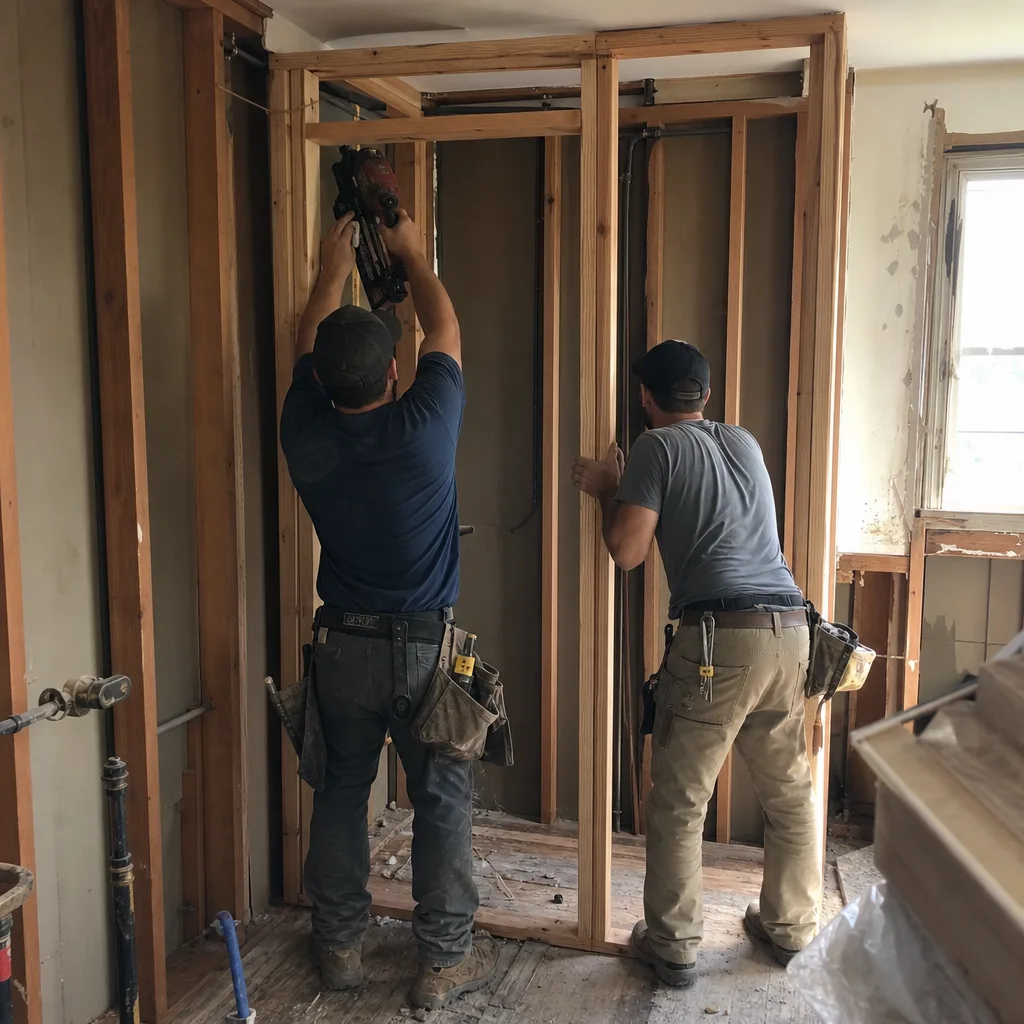
Industry data from the Construction Financial Management Association shows residential projects without signed change orders before work begins run 18-23% over budget on average. Watch for these patterns in our Construction Warning Signs: A Redwood City Homeowner’s Reference Guide. The mechanism is simple: a homeowner discovers they want something different mid-project, the contractor provides a verbal price, work proceeds, and the final invoice includes costs that were never agreed in writing.
We’ve kept our projects within a few percent of the original written price across 4,000-plus jobs. The discipline is administrative, not magical:
- Every scope item is specified before pricing: Not “paint the kitchen” but “prime and apply two finish coats of Benjamin Moore Regal Select to walls and ceilings, 180 linear feet of trim with brush-and-roll application, doors removed and sprayed in shop conditions.” The specificity prevents the “I thought that included…” conversation.
- No work proceeds on a change until the change order is signed: This is the discipline Haven acquired Rowan for. If a homeowner wants to move a wall after framing is complete, we price the change - demolition, new framing, electrical relocation, drywall, paint - and both parties sign before a tool touches the modified area.
- The change order includes the impact on schedule: Not just cost, but days added. A kitchen relocation might add 3 days of electrical, 2 days of drywall, 1 day of paint - total 6 days plus curing time. The homeowner knows the full consequence before deciding.
- All changes are documented in the photo record: Before, during, and after. The customer receives evidence of what was changed and what it looked like when completed.
The 18-23% overage figure comes from projects where this discipline is absent. A $75,000 kitchen becomes $91,000 not through fraud but through incremental, unwritten decisions: upgraded countertops after the template, a second sink location, under-cabinet lighting that wasn’t in the original electrical scope. Each seems small. Together they compound.
Under Clause 1 of the Haven Standard, the price is written before anyone starts. Under the 365-Day Done Right Promise, if it’s not done right, we make it right - backed by terms, not a handshake.
A Realistic Project Planning Sequence for Redwood City
Based on the permit timelines, trade availability, and material lead times documented above, here’s the sequence we recommend for Redwood City homeowners planning construction in 2025:
- Month 1: Design and scope definition - Work with a designer or architect to finalize plans. Include geotechnical investigation now if you’re in a hillside zone. Request a written price from contractors; compare line-item scopes, not bottom-line numbers. Rowan offers a Free Second Opinion on any written estimate - bring a competitor’s quote and we’ll review it line by line at no charge.
- Month 2: Contractor selection and pre-construction agreement - Sign a written contract with flat pricing, written scope, and documented warranty terms. Verify CSLB license status at cslb.ca.gov. Confirm your contractor’s specialty sub relationships - the electrician’s availability matters as much as the general contractor’s.
- Month 2-3: Permit submission - Submit complete plans to San Mateo County. Track submission status weekly. Address plan-check corrections within 48 hours to avoid queue restart. For over-the-counter-eligible work, schedule the submission appointment.
- Month 3-4: Material procurement - Order long-lead items (windows, cabinets, custom fixtures) upon permit approval or confident approval timeline. Confirm delivery dates against construction schedule. Buffer 2 weeks for distributor delays.
- Month 4-5: Construction - Begin with demolition, then rough trades (framing, electrical, plumbing, HVAC), inspection, insulation, drywall, finish trades, final inspection. Each phase is documented with photos delivered to the customer.
- Month 5-6: Closeout - Final inspections, punch list completion, warranty documentation, lien release collection. The 365-Day Done Right Promise begins at substantial completion.
Total timeline: 5-6 months for a typical kitchen or bathroom remodel in Redwood City, assuming no significant change orders. ADUs and major additions run 8-14 months given permit complexity and inspection sequencing.
We’ve found that homeowners who follow this sequence - who don’t rush permit submission with incomplete plans, who don’t order materials before scope is finalized - experience the few-percent variance we document. Those who compress the timeline or skip steps encounter the 18-23% overage the industry data predicts.
Common Mistakes to Avoid
- Using national cost-per-square-foot figures for budgeting. The $163 national average is irrelevant in Redwood City. Use $280-$420 for residential work, with hillside lots and complex foundations at the upper end.
- Assuming permits take 2-3 weeks. San Mateo County’s plan-check queue runs 6-10 weeks for standard residential work. Start permit submission before material procurement, not after.
- Hiring unlicensed trades for electrical, plumbing, or roofing. CSLB specialty licenses exist for liability and insurance reasons, not bureaucratic ones. Unlicensed work voids most homeowners policies and creates personal liability for injuries or damage.
- Selecting European or East Coast window brands without verifying West Coast distribution. Lead times of 12-16 weeks for non-stocked lines can stall an entire project. We specify Andersen and Milgard for Redwood City precisely because Bay Area distributors stock them.
- Skipping geotechnical investigation on hillside lots. The $3,500-$8,000 soil report seems expensive until a 4-month permit delay costs carrying charges and contractor rescheduling.
- Accepting verbal change-order pricing mid-project. Every change should be written, priced, and signed before work proceeds. The 18-23% industry overage figure exists because this discipline is rare.
- Ignoring Redwood City’s water conservation ordinances. Fixture selections must meet current flow-rate requirements. We’ve had final inspections fail because a homeowner-supplied faucet exceeded allowable GPM.
When to Call a Professional
Call a licensed contractor when your project involves structural modification, electrical or plumbing changes, roofing work, or any permit-required construction. Explore more guides & resources to plan your project with confidence. In Redwood City, that’s nearly everything beyond cosmetic painting and flooring. The CSLB license is your protection against liability, and the written price before work starts is your protection against budget surprises.
Specific scenarios that warrant immediate professional evaluation: foundation cracks wider than 1/4 inch, especially in hillside zones; electrical panels with Federal Pacific or Zinsco breakers, common in pre-1980 Redwood City homes; roof leaks following Bay Area winter storms; and any project in a flood zone or hillside overlay where code requirements exceed standard construction.
Rowan Construction Group Redwood City offers free estimates in Redwood City - call (650) 560-7228. Every estimate includes a written price, a written scope, and a documented photo record of our site evaluation. We also provide a Free Second Opinion on any written estimate from another contractor.
Frequently Asked Questions
A mid-range kitchen remodel in Redwood City typically costs $75,000-$145,000, including cabinetry, countertops, flooring, electrical, and plumbing work. High-end specifications with custom cabinetry, professional appliances, or structural changes can exceed $200,000. Call (650) 560-7228 for an exact quote - estimates are free.
Standard residential permits through San Mateo County average 6-10 weeks for plan-check review, with over-the-counter approvals available only for simple replacements with no structural, electrical, or plumbing changes. Incomplete submissions restart the queue. Submit complete plans with all required documentation to avoid delays.
With Rowan Construction Group, no. Our written price is flat, with scope documented line by line. Any change a homeowner requests is priced in a signed change order before work proceeds - the administrative discipline that has kept our projects within a few percent of the agreed price across 4,000-plus jobs.
Yes. We handle permit submission, plan-check response, and inspection scheduling as part of our project management. The permit fees are listed as a line item in the written quote, not hidden in overhead.
Hillside lots in Emerald Hills, upper Farm Hill, and the Santa Cruz Mountains foothills require geotechnical investigation ($3,500-$8,000), engineered retaining walls for cut-and-fill work, and specialized foundation systems like drilled piers or helical piers. These requirements add 15-40% to foundation costs versus flat-lot construction.
We specify Andersen 400 Series woodwright or Milgard Ultra fiberglass for most Redwood City homes. Both withstand coastal moisture and stock through Bay Area distributors with 4-6 week lead times. Custom geometry or imported lines can extend to 12-16 weeks, which we flag during scope definition.
If any element of our work is not done right, we make it right within 365 days of substantial completion. The guarantee is printed on every contract and backed by a terms page, not an asterisk or handshake. Documentation - the photo record, the signed scope, the inspection sign-offs - supports every claim.
The Bottom Line
Construction in Redwood City operates under three constraints that generic guides miss: material premiums 15-35% above national averages, permit timelines of 6-10 weeks through San Mateo County, and a licensed specialty labor market booking 6-12 weeks out. Budgeting at $280-$420 per square foot, submitting permits early with complete documentation, and insisting on written pricing with signed change-order controls separates successful projects from the 18-23% overages common in uncontrolled work. The documentation matters - photo records, written scopes, signed warranties - because it’s the evidence that backs every promise.
Call (650) 560-7228 to schedule your free estimate. We’ll review your project, document site conditions with photos, and deliver a written price before any work starts - every time, on every trade.
Written by Grant Rowan, Owner at Rowan Construction Group Redwood City, serving Redwood City since 2007.